

Facial Plastic Surgery
Facial Plastic Surgery
Enhancing Facial Appearance While Preserving Your Natural Look
Facial Plastic Surgery focuses on improving facial appearance, correcting structural concerns, and restoring facial function after injury, trauma, or congenital conditions. Our approach is designed to achieve natural-looking, balanced, and personalised results while maintaining the unique identity of every patient.
Facial Plastic Surgery Procedures
- Rhinoplasty (Nose Surgery) – Correction and reshaping of the nose for improved appearance and function.
- Facelift – Helps reduce signs of facial ageing and improves facial contours.
- Blepharoplasty (Eyelid Surgery) – Improves drooping eyelids and under-eye appearance.
- Otoplasty (Ear Surgery) – Correction of prominent or misshapen ears.
- Facial Trauma Reconstruction – Repair and reconstruction of facial injuries caused by accidents or trauma.
- Scar Revision – Improvement of visible facial scars following injury or surgery.
- Facial Reconstruction – Restoration of facial structures affected by injury, congenital conditions, or disease.
- Lip & Facial Contouring – Correction and enhancement of facial proportions for a more balanced appearance.
- Facial Lesion & Tumour Reconstruction – Removal and reconstruction of affected facial areas when required.
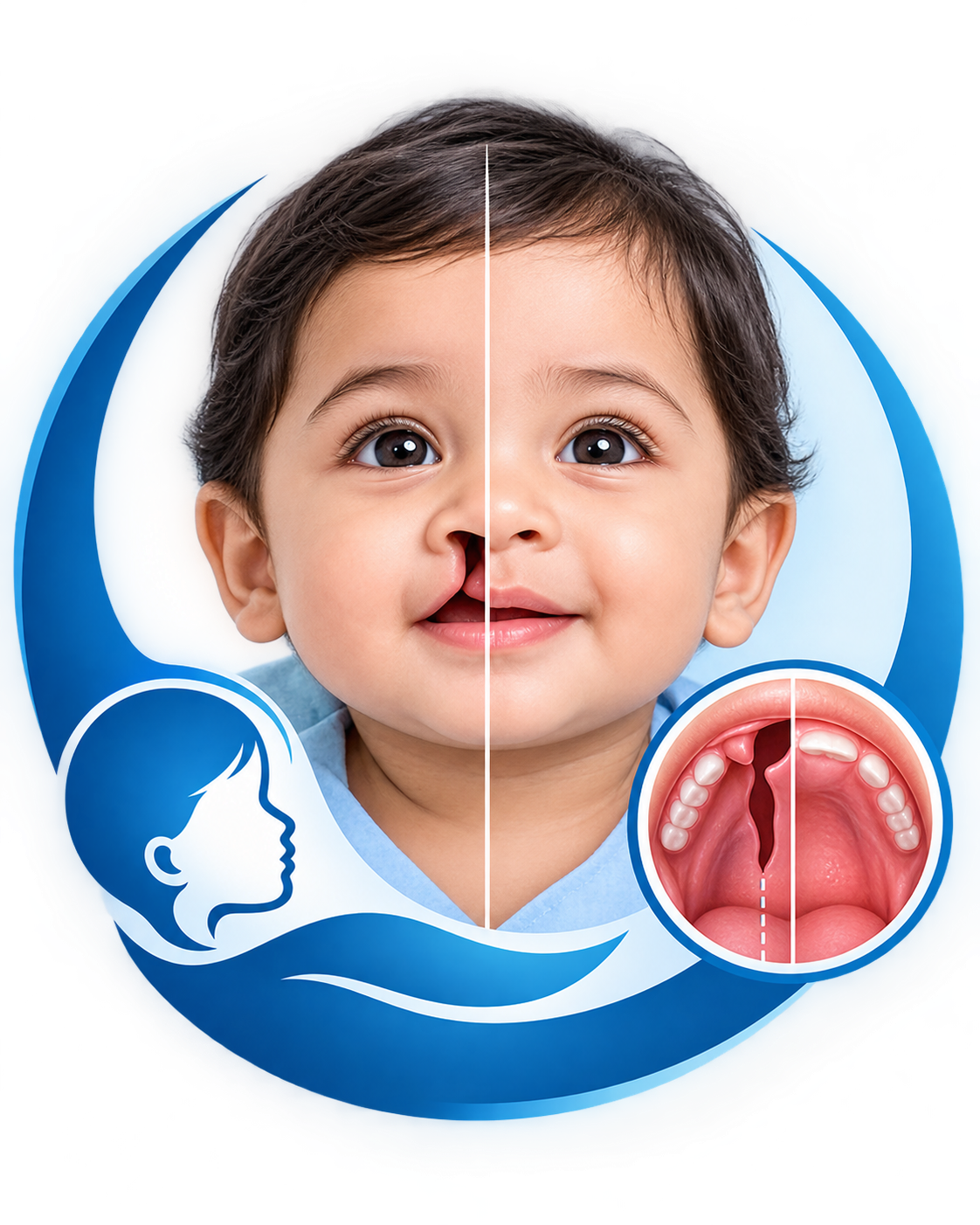
Cleft Lip & Palate Surgery
Cleft Lip & Palate Surgery
Specialized Surgical Care for Cleft Lip and Cleft Palate
Cleft Lip and Palate Surgery is performed to correct a congenital opening or separation in the lip and/or roof of the mouth. Early and appropriate treatment can help improve feeding, speech, facial development, appearance, and overall quality of life.
Cleft Lip & Palate Procedures
- Cleft Lip Repair – Surgical correction of the cleft in the upper lip to restore natural shape and function.
- Cleft Palate Repair – Closure of the opening in the palate to support normal feeding and speech development.
- Cleft Lip & Palate Reconstruction – Comprehensive correction when both the lip and palate are affected.
- Revision Surgery – Correction of residual deformities or concerns following previous cleft surgery.
- Cleft-Related Facial Reconstruction – Reconstruction to improve facial symmetry, function, and appearance.
- Alveolar Bone Grafting – Bone grafting to support the gum and upper jaw when required during growth.
- Speech & Functional Support – Treatment planning in coordination with appropriate specialists to support speech and oral function.
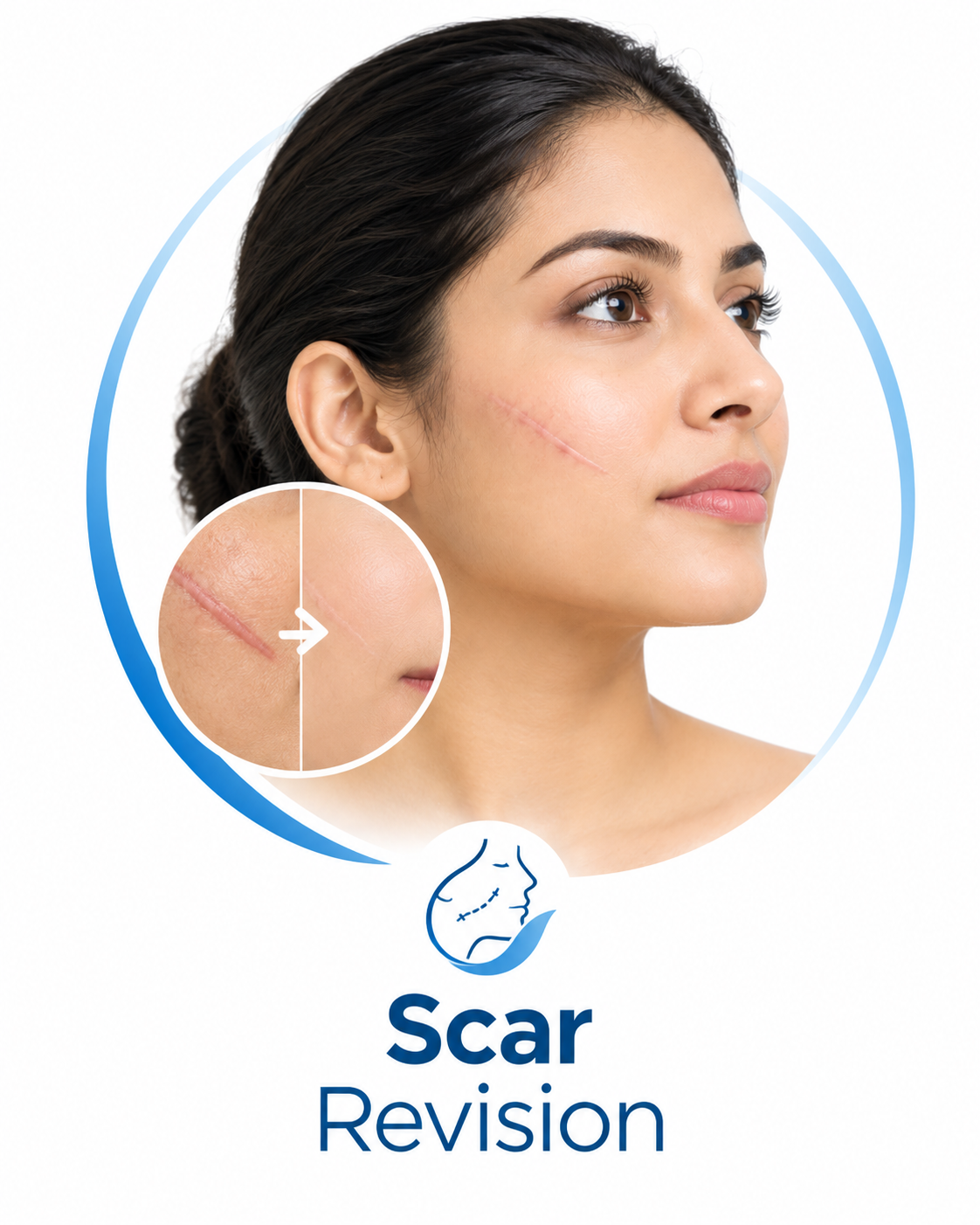
Scar Revision
Improving the Appearance, Texture, and Function of Unwanted Scars
Scar Revision is a plastic surgery procedure designed to improve the appearance of scars caused by accidents, burns, injuries, previous surgeries, or other skin conditions. The goal is to make the scar less noticeable while restoring the natural contour and movement of the affected area.
Scar Revision Procedures
- Surgical Scar Revision – Removal or reshaping of an unwanted scar and precise closure of the skin.
- Traumatic Scar Revision – Improvement of scars resulting from accidents or injuries.
- Burn Scar Reconstruction – Treatment of tight, thick, or contracted scars following burns.
- Contracture Release – Correction of scars that restrict normal movement or function.
- Facial Scar Revision – Refinement of visible scars on the face for improved appearance.
- Hypertrophic & Keloid Scar Management – Comprehensive treatment planning for raised or excessive scars.
- Z-Plasty & Local Flap Techniques – Advanced techniques used when required to improve scar direction, flexibility, and contour.
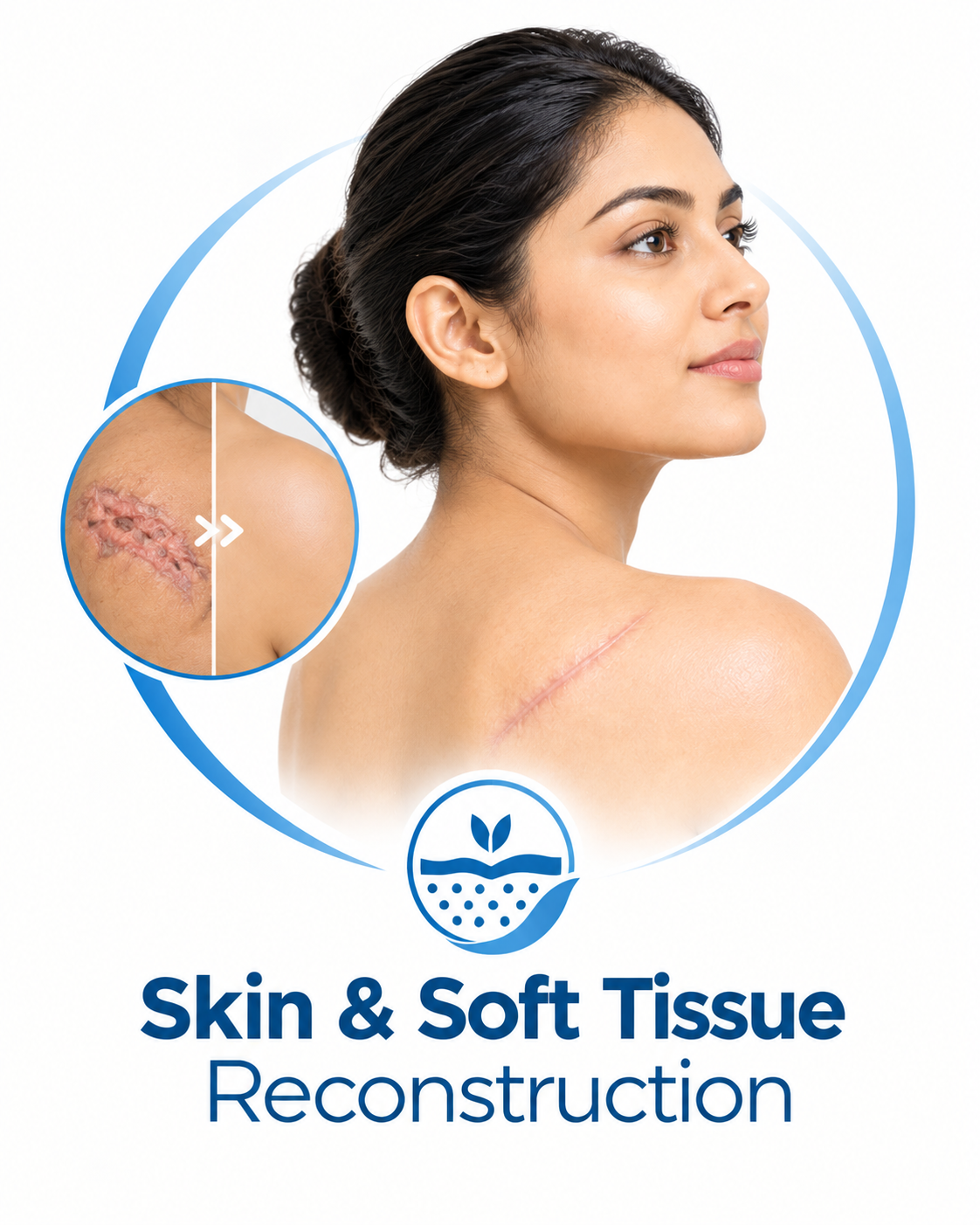
Skin & Soft Tissue Reconstruction
Restoring Skin, Soft Tissue, Function, and Natural Contours
Skin & Soft Tissue Reconstruction is a specialised area of plastic surgery focused on repairing and restoring areas affected by trauma, infection, burns, tumours, chronic wounds, or tissue loss. The aim is to achieve durable wound coverage while preserving function and providing a natural appearance.
Skin & Soft Tissue Reconstruction Procedures
- Skin Grafting – Coverage of wounds where sufficient skin is not available for direct closure.
- Local Flap Reconstruction – Use of nearby healthy tissue to cover and reconstruct a defect.
- Regional & Pedicled Flaps – Transfer of tissue from a nearby area while maintaining its blood supply.
- Free Flap Reconstruction – Microsurgical transfer of tissue from another part of the body for complex defects.
- Post-Trauma Reconstruction – Restoration of tissue lost or damaged due to accidents and injuries.
- Burn Reconstruction – Treatment of tissue loss, scarring, and contractures following burns.
- Chronic Wound Reconstruction – Surgical coverage for difficult-to-heal or non-healing wounds.
- Tumour Defect Reconstruction – Reconstruction following removal of skin or soft-tissue tumours.
- Complex Wound Closure – Advanced techniques for wounds that cannot be closed with conventional methods.
- Scar & Contracture Reconstruction – Improvement of restricted movement and distorted tissue caused by scars.
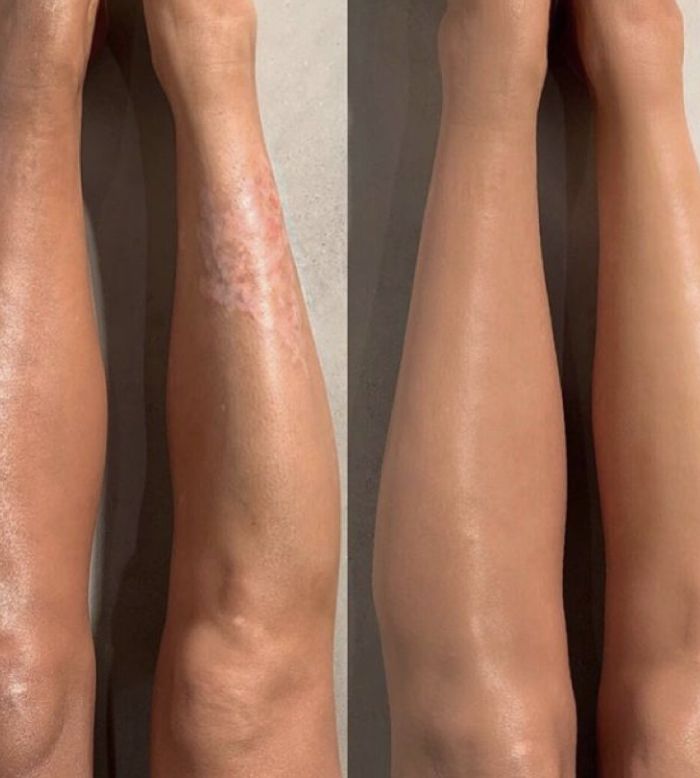
Post-Trauma Reconstruction
Restoring Function, Structure, and Appearance After Injury
Post-Trauma Reconstruction is a specialised plastic surgery service for repairing and restoring skin, soft tissue, nerves, tendons, muscles, and other structures damaged due to accidents, falls, burns, or other traumatic injuries.
The primary goal is to achieve proper wound healing while restoring function, movement, facial or body contour, and appearance.
Post-Trauma Reconstruction Procedures
- Soft Tissue Reconstruction – Repair of damaged or missing skin and soft tissue.
- Skin Grafting – Coverage of wounds where direct skin closure is not possible.
- Local & Regional Flap Surgery – Use of healthy nearby tissue to cover complex wounds.
- Free Flap Reconstruction – Microsurgical transfer of tissue for major tissue defects.
- Hand & Limb Reconstruction – Restoration of damaged tissues following severe injuries.
- Facial Trauma Reconstruction – Repair of facial soft-tissue and structural injuries.
- Nerve & Tendon Repair – Reconstruction to help restore movement and sensation when appropriate.
- Scar & Contracture Reconstruction – Improvement of scars that cause functional restriction or deformity.
- Reconstructive Surgery After Multiple Surgeries – Correction and restoration of areas affected by previous trauma or procedures.
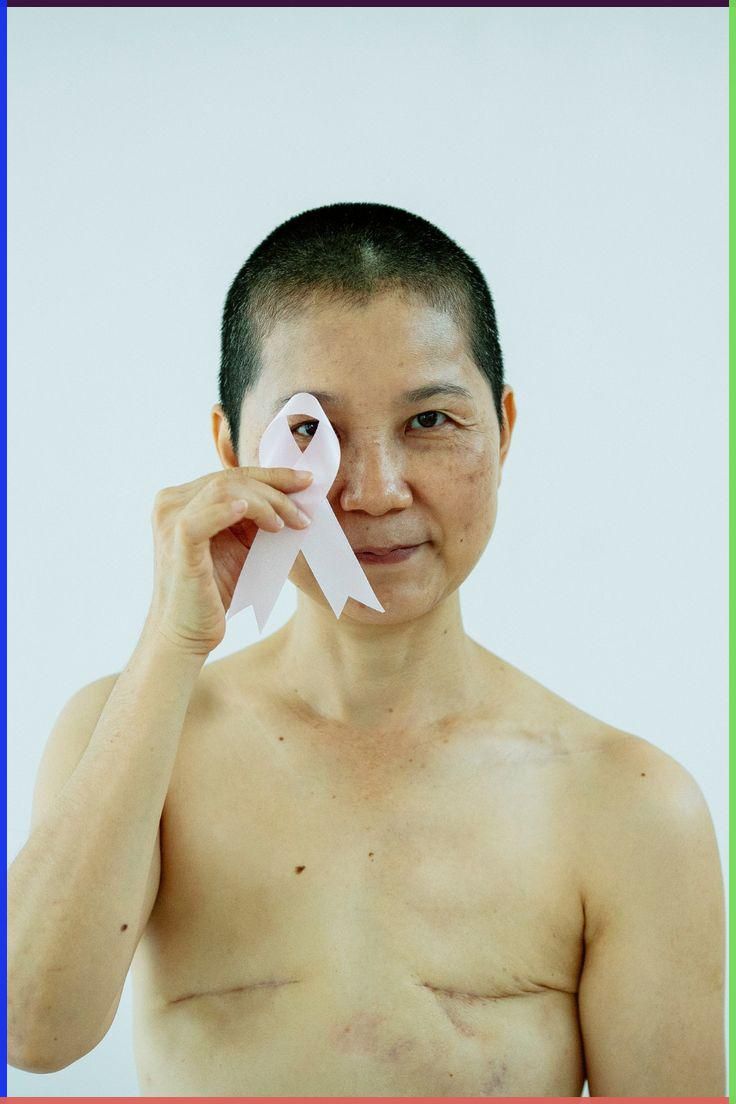
Post-Cancer Reconstruction
Restoring Form, Function, and Confidence After Cancer Surgery
Post-Cancer Reconstruction is a specialised plastic surgery service that helps restore areas affected by cancer removal surgery. When removal of a tumour results in loss of skin, soft tissue, or other structures, reconstructive surgery can help restore the affected area’s shape, function, and natural appearance.
Post-Cancer Reconstruction Procedures
- Soft Tissue Reconstruction – Restoration of tissue lost during cancer surgery.
- Skin Grafting – Coverage of surgical defects when direct closure is not suitable.
- Local & Regional Flap Reconstruction – Use of nearby healthy tissue to reconstruct the affected area.
- Free Flap Reconstruction – Microsurgical transfer of tissue for larger or complex defects.
- Head & Neck Reconstruction – Restoration of facial and neck defects following tumour removal.
- Facial Reconstruction – Repair of facial tissue and contour after cancer surgery.
- Breast Reconstruction – Restoration of breast shape following breast cancer surgery, when appropriate.
- Scar & Contour Correction – Improvement of post-surgical scars, contour irregularities, and tissue deformities.
- Complex Defect Reconstruction – Advanced reconstruction for extensive tissue loss after tumour removal.
When Is Reconstruction Considered?
Reconstruction may be considered when cancer surgery results in:
- Significant skin or soft-tissue loss
- Facial or head-and-neck defects
- Breast or chest-wall tissue loss
- Large surgical wounds
- Changes in body contour
- Scarring or functional limitations
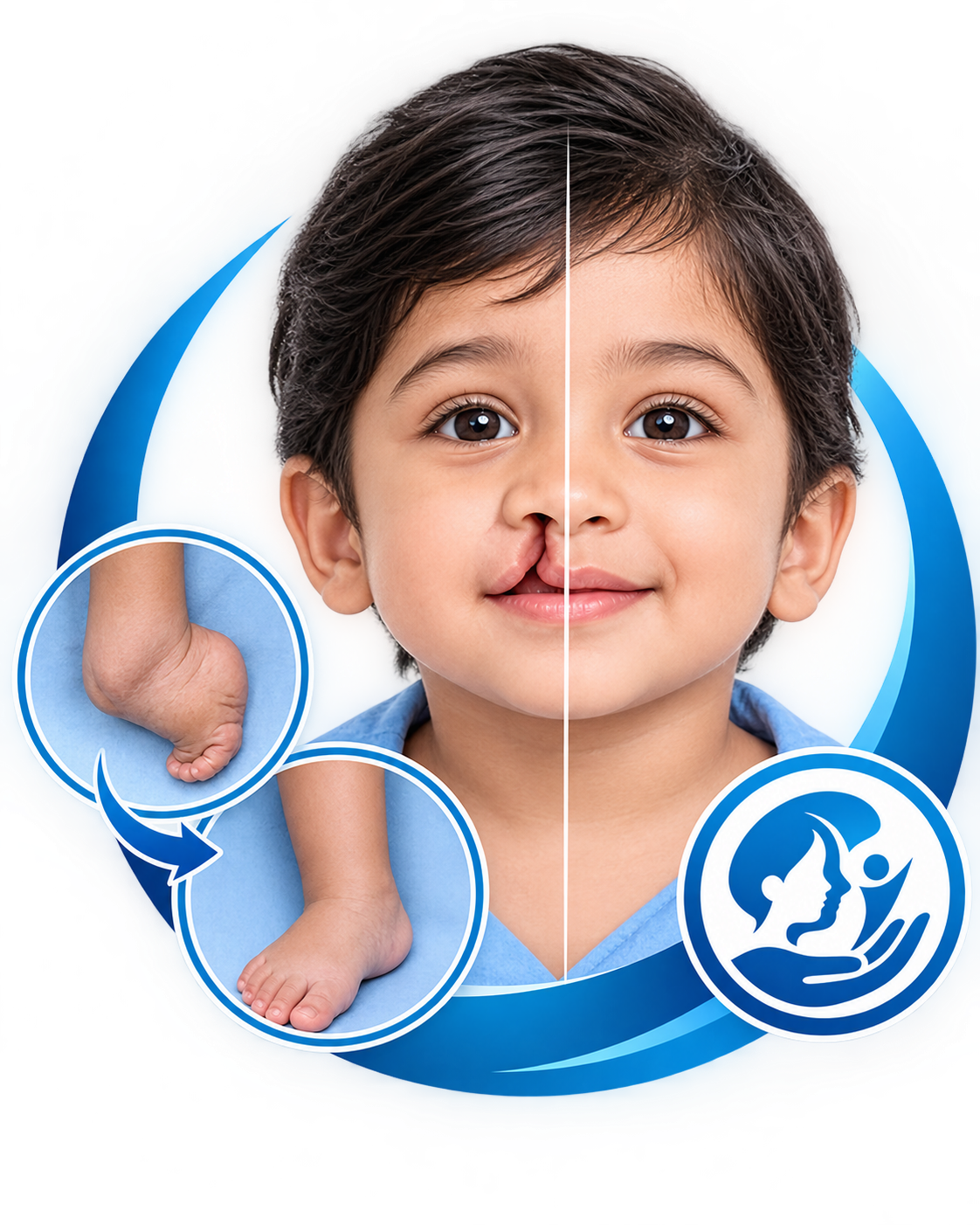
Congenital Deformity Correction
Specialised Reconstruction for Congenital Differences and Deformities
Congenital Deformity Correction focuses on the surgical treatment and reconstruction of physical differences or deformities present from birth. Plastic and reconstructive surgery can help improve function, symmetry, movement, and appearance, depending on the condition.
Congenital Deformity Correction Procedures
- Cleft Lip & Palate Correction – Reconstruction of cleft conditions affecting the lip and palate.
- Congenital Ear Deformity Correction – Correction of abnormal or underdeveloped ear shape.
- Congenital Hand & Finger Deformity Correction – Surgical correction of conditions affecting hand and finger development.
- Congenital Facial Deformity Correction – Reconstruction of facial differences affecting appearance or function.
- Congenital Limb Deformity Reconstruction – Treatment of selected limb and soft-tissue deformities.
- Webbed & Fused Fingers/Toes (Syndactyly) – Separation and reconstruction of joined digits when appropriate.
- Extra Fingers or Toes (Polydactyly) – Surgical correction of additional digits.
- Congenital Skin & Soft Tissue Defects – Reconstruction of selected defects involving skin and underlying tissues.
- Vascular Malformation Reconstruction – Surgical management of selected congenital vascular abnormalities.
When Is Correction Considered?
Treatment may be considered when a congenital condition affects:
- Normal movement or function
- Feeding or speech
- Hand or limb function
- Facial symmetry
- Physical development
- Appearance and confidence

Breast Reconstruction
Restoring Breast Shape, Symmetry, and Confidence
Breast Reconstruction is a specialised plastic surgery procedure designed to restore the shape, volume, and contour of the breast after breast cancer surgery, trauma, congenital differences, or significant tissue loss. Reconstruction can be performed using implants, the patient’s own tissue, or a combination of techniques depending on individual needs.
Breast Reconstruction Procedures
- Breast Reconstruction After Cancer Surgery – Restoration of breast shape following mastectomy or other breast cancer surgery.
- Implant-Based Reconstruction – Reconstruction using a breast implant when appropriate.
- Autologous Tissue Reconstruction – Use of the patient’s own tissue to create a natural breast contour.
- Flap Reconstruction – Transfer of tissue from another part of the body to reconstruct the breast.
- Breast Symmetry Correction – Procedures to improve balance and symmetry between both breasts.
- Nipple & Areola Reconstruction – Reconstruction of the nipple and areola as part of breast restoration.
- Revision Breast Reconstruction – Correction or improvement of previous breast reconstruction when required.
- Post-Trauma Breast Reconstruction – Restoration following significant injury or tissue loss.
When Is Breast Reconstruction Considered?
Reconstruction may be considered after:
- Mastectomy or breast cancer surgery
- Partial breast tissue loss
- Breast trauma or injury
- Congenital breast differences
- Significant breast asymmetry
- Previous breast reconstruction complications
Genital Reconstruction
Specialised Reconstruction to Restore Function, Structure, and Confidence
Genital Reconstruction is a specialised area of reconstructive plastic surgery focused on restoring anatomy, function, and appearance following trauma, congenital conditions, previous surgery, burns, cancer treatment, or tissue loss.
Genital Reconstruction Procedures
- Post-Trauma Genital Reconstruction – Repair and reconstruction following accidental or traumatic injuries.
- Post-Cancer Reconstruction – Restoration of tissue and anatomy following cancer-related surgery.
- Congenital Genital Deformity Correction – Correction of selected congenital structural abnormalities.
- Soft Tissue Reconstruction – Restoration of damaged or missing skin and soft tissue.
- Scar & Contracture Correction – Improvement of scars or tight tissue that affects comfort or function.
- Skin Grafting – Coverage of areas where sufficient local tissue is unavailable.
- Local Flap Reconstruction – Use of nearby healthy tissue for reconstruction of complex defects.
- Complex Genital Defect Reconstruction – Individualised reconstruction for significant tissue loss or deformity.
When Is Genital Reconstruction Considered?
It may be considered following:
- Traumatic injuries
- Cancer surgery
- Congenital conditions
- Burns and tissue damage
- Previous surgical complications
- Significant loss of skin or soft tissue
- Scarring or contractures affecting function
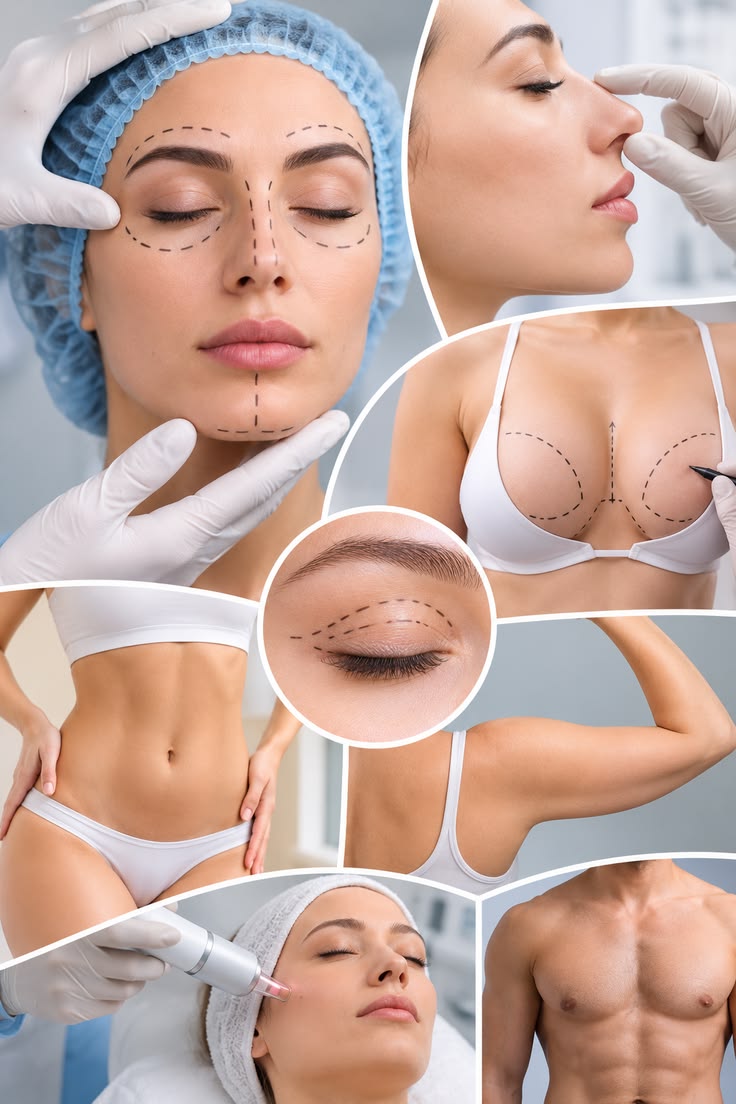
Complex Plastic Surgery
Advanced Surgical Care for Complex Reconstructive & Plastic Surgery Needs
Complex Plastic Surgery involves the treatment of challenging conditions that may require advanced reconstructive techniques, multiple procedures, or multidisciplinary care. These cases can arise from severe trauma, burns, cancer surgery, congenital deformities, complex wounds, or significant tissue loss.
Complex Plastic Surgery Procedures
- Complex Trauma Reconstruction – Reconstruction of extensive tissue damage following serious injuries.
- Complex Wound Reconstruction – Advanced coverage of large, deep, or difficult-to-heal wounds.
- Major Soft Tissue Reconstruction – Restoration of significant skin, muscle, and soft-tissue loss.
- Complex Hand & Limb Reconstruction – Reconstruction following severe injuries affecting function and movement.
- Facial & Head-Neck Reconstruction – Restoration of complex facial and head-and-neck defects.
- Post-Cancer Reconstruction – Reconstruction following extensive tumour removal.
- Burn Reconstruction – Treatment of severe burn-related tissue loss, scars, and contractures.
- Free Flap Reconstruction – Microsurgical transfer of tissue for complex defects when required.
- Scar & Contracture Reconstruction – Release and reconstruction of scars that restrict movement or cause deformity.
- Revision & Secondary Reconstruction – Correction of residual deformities or complications following previous surgery.
When Is Complex Plastic Surgery Needed?
It may be considered for:
- Severe accident and trauma injuries
- Extensive tissue loss
- Large or complicated wounds
- Severe burns and contractures
- Complex facial injuries
- Major hand and limb injuries
- Defects following cancer surgery
- Congenital or acquired deformities
- Complications or deformities after previous surgery