Acute Burn Management
Specialised Emergency Care for Acute Burn Injuries
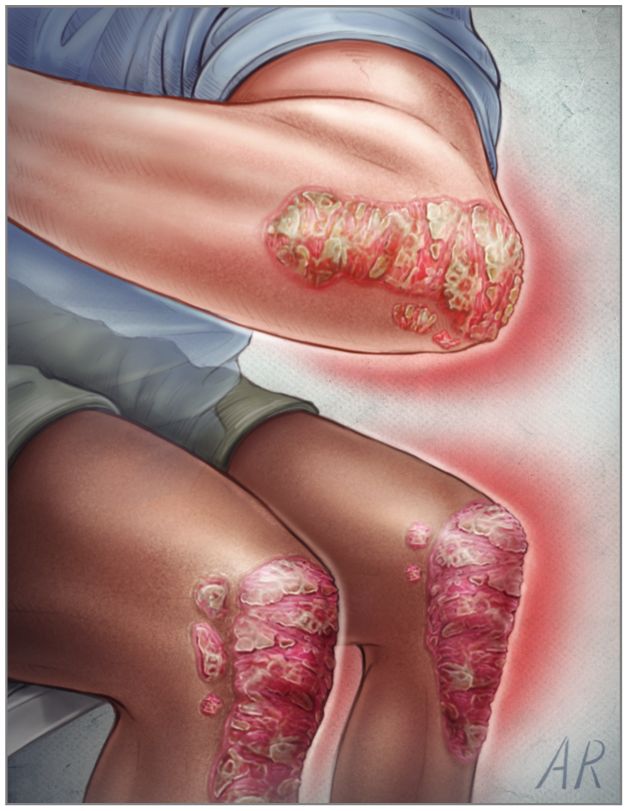
Acute Burn Management is the immediate and specialised treatment of burn injuries caused by heat, chemicals, electricity, friction, or other sources. Early assessment and appropriate treatment help control pain, prevent infection, protect damaged tissues, maintain fluid balance, and support healing while reducing the risk of complications and scarring.
Acute Burn Treatment Procedures
- Burn Assessment & Classification – Evaluation of burn depth, size, location, and severity to determine the appropriate treatment plan.
- Emergency Burn Stabilisation – Initial management of airway, breathing, circulation, and other life-threatening concerns.
- Fluid Resuscitation – Replacement of fluids and electrolytes when required for significant burns.
- Wound Cleaning & Dressing – Careful cleaning and application of appropriate dressings to protect the injured area.
- Blister & Devitalised Tissue Management – Assessment and management of damaged or non-viable tissue when clinically indicated.
- Pain Management – Appropriate measures to control pain and improve patient comfort during treatment.
- Burn Debridement – Removal of dead or severely damaged tissue to support wound healing when required.
- Infection Prevention & Management – Monitoring and treatment of suspected wound infections and other complications.
- Escharotomy – Release of constricting burn tissue in selected deep burns when circulation or breathing may be compromised.
- Skin Grafting – Coverage of deeper burns that are unlikely to heal adequately with conservative treatment.
- Burn Reconstruction – Reconstructive procedures for significant tissue loss or functional problems following severe burns.
Common Causes
- Fire and flame burns
- Hot water and liquid scalds
- Steam burns
- Hot oil and chemical burns
- Electrical burns
- Contact burns from hot objects
- Friction burns
- Industrial and workplace accidents
- Household accidents
When Is Acute Burn Management Considered?
Immediate medical evaluation is important for moderate to severe burns, burns involving critical areas, or burns associated with other injuries. Treatment decisions depend on:
- Depth and extent of the burn
- Size of the affected area
- Location of the burn
- Presence of inhalation injury
- Electrical or chemical involvement
- Associated trauma
- Signs of infection or tissue damage
- Patient’s age and overall condition
Severe burns and suspected inhalation injuries require urgent emergency medical assessment.
Burn Wound Care
Specialised Care for Healing and Protecting Burn-Injured Skin
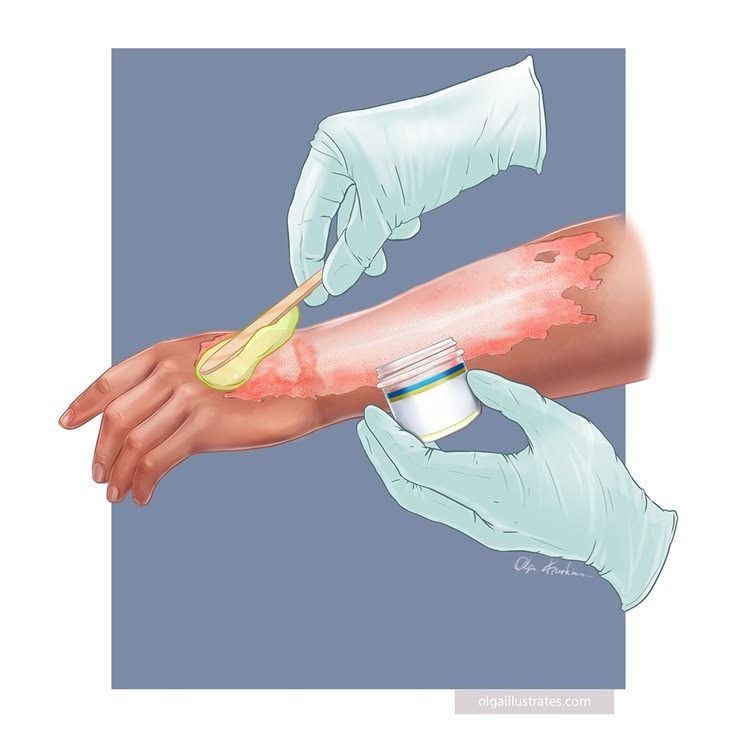
Burn Wound Care focuses on the assessment, cleaning, dressing, and ongoing management of burn injuries to support healing, reduce infection risk, protect viable tissue, and minimise complications such as delayed healing and excessive scarring.
Burn Wound Care Procedures
- Burn Wound Assessment – Evaluation of burn depth, size, location, and healing progress.
- Wound Cleaning – Gentle cleansing of the burn wound to remove contaminants and maintain a healthy wound environment.
- Dressing Selection & Application – Use of appropriate dressings to protect the wound and support healing.
- Blister Management – Assessment and appropriate management of burn blisters based on the depth and location of the injury.
- Wound Debridement – Removal of dead or non-viable tissue when required to promote healing.
- Infection Management – Monitoring for infection and providing appropriate treatment when clinically indicated.
- Pain Management – Measures to control pain during wound care and dressing changes.
- Moist Wound Management – Maintaining an appropriate wound environment to support tissue healing.
- Skin Grafting – Coverage of deeper burns that are unlikely to heal adequately with wound care alone.
- Scar Prevention & Management – Early measures and follow-up care to reduce the severity of burn-related scars.
- Follow-Up Wound Care – Regular assessment of healing, tissue quality, and functional recovery.
Common Burn Wounds
- Thermal burns
- Scald burns
- Chemical burns
- Electrical burns
- Contact burns
- Friction burns
- Superficial and partial-thickness burns
- Deep burns requiring specialised wound care
- Post-operative burn wounds
When Is Burn Wound Care Considered?
Burn wound care is considered for newly sustained burns as well as wounds requiring ongoing treatment during the healing process. The treatment approach depends on:
- Depth and extent of the burn
- Location of the wound
- Amount of tissue damage
- Presence of infection
- Rate of wound healing
- Associated injuries
- Patient’s age and overall health
Early assessment and appropriate wound care can help support healing and reduce the risk of infection, delayed healing, and problematic scarring.
Burn Debridement
Removal of Dead or Damaged Tissue to Support Burn Wound Healing
Burn Debridement is a specialised procedure used to remove dead, damaged, or non-viable tissue from a burn wound. By clearing unhealthy tissue, debridement can help reduce the risk of infection, improve wound assessment, support healthy tissue healing, and prepare deeper wounds for further treatment such as skin grafting when required.
Burn Debridement Procedures
- Wound Debridement – Removal of dead or severely damaged tissue from the burn wound.
- Surgical Debridement – Precise removal of non-viable tissue using surgical techniques when required.
- Eschar Removal – Removal of thick, dead burn tissue that may interfere with healing or wound assessment.
- Blister & Loose Tissue Management – Appropriate management of damaged skin and blisters based on the nature of the burn.
- Infected Tissue Debridement – Removal of infected or non-viable tissue when infection is present.
- Serial Debridement – Staged removal of damaged tissue when complete debridement cannot be safely performed in a single procedure.
- Wound Bed Preparation – Preparation of the wound to encourage healing or facilitate further reconstruction.
- Skin Graft Preparation – Preparation of suitable burn wounds for skin grafting when deeper tissue loss prevents adequate healing.
- Post-Debridement Wound Care – Appropriate dressings and monitoring following debridement to support wound healing.
Common Conditions Requiring Burn Debridement
- Deep partial-thickness burns
- Full-thickness burns
- Extensive thermal burns
- Infected burn wounds
- Necrotic or non-viable tissue
- Burns with thick eschar
- Delayed-healing burn wounds
- Complex burn wounds requiring reconstruction
When Is Burn Debridement Considered?
Burn debridement is considered when dead, infected, or severely damaged tissue is interfering with wound healing or increasing the risk of complications. The decision depends on:
- Depth and extent of the burn
- Amount of non-viable tissue
- Presence of infection
- Location of the burn
- Condition of surrounding healthy tissue
- Overall health of the patient
- Need for skin grafting or reconstruction
Careful assessment is essential because the goal is to remove non-viable tissue while preserving as much healthy tissue as possible.
Skin Grafting
Advanced Skin Coverage for Deep Burns, Wounds, and Tissue Loss
Skin Grafting is a reconstructive procedure in which healthy skin is taken from one area of the body and transferred to another area requiring coverage. It is commonly used for deep burns, non-healing wounds, traumatic tissue loss, and surgical defects where the skin cannot heal adequately on its own.
Skin Grafting Procedures
- Split-Thickness Skin Graft – Transfer of a thin layer of skin to cover suitable wounds and burn injuries.
- Full-Thickness Skin Graft – Transfer of the full thickness of the skin for selected smaller defects requiring durable coverage.
- Burn Skin Grafting – Coverage of deep burns that are unlikely to heal adequately with conservative wound care.
- Wound Skin Grafting – Coverage of selected chronic or non-healing wounds after appropriate wound-bed preparation.
- Traumatic Wound Grafting – Skin coverage for wounds caused by accidents, injuries, or tissue loss.
- Post-Surgical Skin Grafting – Reconstruction of skin defects following surgical procedures.
- Donor Site Management – Appropriate care of the area from which the skin graft is harvested.
- Graft Fixation & Dressing – Secure placement and protection of the graft to support successful healing.
- Graft Monitoring – Follow-up assessment of graft survival, wound healing, and possible complications.
Common Applications
- Deep burn wounds
- Non-healing wounds
- Traumatic skin loss
- Chronic wounds
- Post-surgical defects
- Soft tissue defects
- Wounds following debridement
- Selected diabetic foot wounds
- Areas requiring skin coverage after tissue loss
When Is Skin Grafting Considered?
Skin grafting is considered when a wound or burn cannot achieve adequate skin coverage or healing on its own. The decision depends on:
- Depth and size of the wound
- Quality of the wound bed
- Presence of infection
- Amount of tissue loss
- Location of the defect
- Availability of suitable donor skin
- Overall health and healing capacity of the patient
Proper wound preparation and control of infection are important before skin grafting to improve the likelihood of successful graft healing.
Contracture Release
Restoring Movement and Function by Releasing Tightened Scar Tissue
Contracture Release is a reconstructive procedure used to release tight scar tissue that restricts normal movement or function. It is commonly required after burns, trauma, surgery, or severe wounds, particularly when scar contraction affects the hands, fingers, face, neck, joints, or other functional areas.
Contracture Release Procedures
- Scar Contracture Release – Surgical release of tight scar tissue to improve movement and flexibility.
- Burn Contracture Release – Release of contracted scars following burn injuries.
- Z-Plasty – Rearrangement of scar tissue to lengthen contracted skin and improve movement.
- Local Flap Reconstruction – Use of nearby healthy tissue to cover the defect created after contracture release.
- Skin Grafting – Coverage of the released area when additional skin is required.
- Joint Contracture Release – Release of scar tissue restricting movement around affected joints.
- Hand & Finger Contracture Release – Restoration of finger and hand movement affected by tight scars.
- Neck Contracture Release – Release of restrictive scars affecting neck movement and positioning.
- Facial Contracture Release – Reconstruction of contracted facial scars to improve function and appearance.
- Post-Trauma Contracture Release – Treatment of movement restriction caused by scars following traumatic injuries.
Common Causes
- Severe burn injuries
- Post-traumatic scars
- Surgical scars
- Deep wounds
- Skin graft-related contractures
- Infections causing significant tissue damage
- Prolonged immobilisation
- Scar formation around joints
When Is Contracture Release Considered?
Contracture release is considered when scar tissue becomes tight enough to restrict movement, function, comfort, or normal positioning. Treatment decisions depend on:
- Location and severity of the contracture
- Degree of movement restriction
- Quality and extent of scar tissue
- Previous treatments or surgeries
- Condition of surrounding skin and tissues
- Functional requirements of the affected area
Early assessment and appropriate rehabilitation can help preserve movement and reduce the functional impact of scar contractures.
Post-Burn Scar Revision
Advanced Reconstruction for Improving Burn-Related Scars and Restoring Function
Post-Burn Scar Revision is a reconstructive treatment designed to improve the appearance, flexibility, and function of scars that develop after burn injuries. Depending on the severity and location of the scar, treatment may involve surgical scar revision, contracture release, skin grafting, or flap reconstruction.
Post-Burn Scar Revision Procedures
- Scar Excision & Revision – Removal and surgical reshaping of selected problematic scars.
- Contracture Release – Release of tight scar tissue that restricts movement or function.
- Z-Plasty – Rearrangement of scar tissue to lengthen contracted scars and improve flexibility.
- Skin Grafting – Coverage of areas where scar release creates a skin defect requiring additional tissue.
- Local Flap Reconstruction – Use of nearby healthy tissue to replace or cover scarred areas.
- Tissue Expansion – Gradual expansion of healthy skin to provide suitable tissue for reconstruction in selected cases.
- Facial Burn Scar Revision – Reconstruction of burn scars affecting the face and facial function.
- Neck Burn Scar Revision – Treatment of restrictive neck scars to improve movement and positioning.
- Hand & Finger Scar Revision – Release and reconstruction of scars affecting hand or finger movement.
- Post-Burn Functional Reconstruction – Reconstructive procedures aimed at improving movement and restoring affected function.
Common Post-Burn Scar Problems
- Raised or thick scars
- Contracted scars
- Tight or restrictive scars
- Scars affecting joints
- Facial burn scars
- Neck contractures
- Hand and finger contractures
- Pigment and texture changes
- Scars causing functional limitation
When Is Post-Burn Scar Revision Considered?
Scar revision may be considered when burn scars cause significant functional restriction, discomfort, tightness, or unacceptable changes in appearance. Treatment depends on:
- Location and size of the scar
- Severity and maturity of the scar
- Degree of contracture
- Functional limitation
- Skin quality around the scar
- Previous burn treatments or surgeries
- Individual healing characteristics
Post-burn scar management is often planned according to the patient’s functional needs, scar characteristics, and stage of healing.
Post-Burn Reconstruction
Advanced Reconstructive Care for Restoring Function, Movement, and Tissue Coverage
Post-Burn Reconstruction is a specialised reconstructive approach for repairing tissue damage, scar contractures, and functional problems that remain after a burn injury has healed. Treatment is tailored to the affected area and may include scar release, skin grafting, flap reconstruction, and microsurgical techniques to improve function and restore tissue coverage.
Post-Burn Reconstruction Procedures
- Burn Scar Revision – Surgical improvement of problematic or functionally limiting burn scars.
- Contracture Release – Release of tight scars that restrict movement around joints or other functional areas.
- Z-Plasty – Rearrangement of scar tissue to lengthen contracted areas and improve flexibility.
- Skin Grafting – Coverage of defects following scar release or removal of damaged tissue.
- Local Flap Reconstruction – Transfer of nearby healthy tissue to reconstruct selected burn defects.
- Regional Flap Reconstruction – Use of tissue from an adjacent region to provide durable coverage for larger defects.
- Free Flap Reconstruction – Microsurgical transfer of tissue from another part of the body for complex defects.
- Hand & Finger Reconstruction – Restoration of movement and coverage in burn-damaged hands and fingers.
- Facial Burn Reconstruction – Reconstruction of burn-related defects affecting facial appearance and function.
- Neck Contracture Reconstruction – Release and reconstruction of restrictive neck scars.
- Functional Reconstruction – Procedures aimed at improving movement, positioning, and daily function affected by burn scars.
Common Post-Burn Problems
- Burn scar contractures
- Restricted joint movement
- Tight or thick scars
- Hand and finger deformities
- Facial burn deformities
- Neck contractures
- Skin and soft tissue defects
- Functional limitations
- Problematic or extensive scars
When Is Post-Burn Reconstruction Considered?
Post-burn reconstruction is considered when burn scars or tissue damage continue to cause functional, structural, or significant aesthetic problems after the initial wound has healed. Treatment planning depends on:
- Location and extent of the burn scar
- Severity of contracture
- Degree of functional limitation
- Quality of surrounding tissues
- Previous burn treatment and reconstruction
- Patient’s overall health
- Individual reconstructive requirements
Post-burn reconstruction is usually planned individually, with the goal of improving function, restoring movement, and achieving durable tissue coverage.
Facial Burn Reconstruction
Specialised Reconstruction to Restore Facial Function, Contour, and Appearance
Facial Burn Reconstruction is a specialised reconstructive treatment for burn-related scars, tissue loss, contractures, and deformities affecting the face. Treatment aims to restore facial movement and function while improving contour, symmetry, skin quality, and overall appearance.
Facial Burn Reconstruction Procedures
- Facial Scar Revision – Surgical improvement of problematic burn scars affecting facial appearance or function.
- Facial Contracture Release – Release of tight scar tissue that restricts facial movement or normal positioning.
- Z-Plasty – Rearrangement of scar tissue to lengthen contracted areas and improve flexibility.
- Skin Grafting – Coverage of areas with significant skin loss following burns or scar release.
- Local Flap Reconstruction – Use of nearby healthy facial tissue to reconstruct selected defects.
- Regional Flap Reconstruction – Transfer of tissue from an adjacent area for reconstruction of larger facial defects.
- Free Flap Reconstruction – Microsurgical transfer of tissue for complex facial soft-tissue defects.
- Eyelid Reconstruction – Reconstruction of burn-damaged eyelid tissue to help protect the eye and restore eyelid function.
- Lip & Mouth Reconstruction – Treatment of burn-related contractures or tissue loss affecting the lips and mouth.
- Nose Reconstruction – Reconstruction of damaged nasal skin and soft tissues following severe burns.
- Ear Reconstruction – Repair or reconstruction of burn-damaged external ear structures.
- Facial Contour Reconstruction – Restoration of soft-tissue contour and facial symmetry when significant tissue loss or scarring is present.
Common Facial Burn Problems
- Facial burn scars
- Facial contractures
- Eyelid deformities
- Lip and mouth contractures
- Nasal tissue loss
- Ear burns and deformities
- Skin and soft tissue defects
- Restricted facial movement
- Significant scar-related changes in facial contour
When Is Facial Burn Reconstruction Considered?
Facial burn reconstruction is considered when burn scars or tissue loss cause functional problems, restrictive contractures, structural deformity, or significant changes in facial appearance. Treatment depends on:
- Location and extent of facial damage
- Severity and maturity of scars
- Degree of contracture
- Functional impairment
- Condition of surrounding skin and tissues
- Previous burn treatment or reconstruction
- Individual reconstructive requirements
Facial burn reconstruction is carefully planned according to the patient’s functional needs, scar characteristics, and the specific structures affected.
Hand Burn Reconstruction
Advanced Reconstruction to Restore Hand Movement, Function, and Tissue Coverage
Hand Burn Reconstruction is a specialised reconstructive treatment for burn scars, contractures, tissue loss, and deformities affecting the hand and fingers. Treatment aims to restore movement, improve hand function, protect important structures, and provide durable soft-tissue coverage.
Hand Burn Reconstruction Procedures
- Burn Scar Revision – Surgical improvement of problematic scars affecting hand function or appearance.
- Contracture Release – Release of tight burn scars that restrict finger, thumb, or wrist movement.
- Z-Plasty – Rearrangement of contracted scar tissue to improve skin length and flexibility.
- Skin Grafting – Coverage of defects following scar release or removal of damaged tissue.
- Local Flap Reconstruction – Use of nearby healthy tissue to provide durable coverage for selected hand defects.
- Regional Flap Reconstruction – Transfer of tissue from an adjacent area for reconstruction of larger defects.
- Free Flap Reconstruction – Microsurgical transfer of tissue for complex hand wounds and significant tissue loss.
- Finger Reconstruction – Restoration of soft-tissue coverage and function in burn-damaged fingers.
- Thumb Reconstruction – Reconstructive procedures aimed at preserving or improving thumb movement and function.
- Web-Space Reconstruction – Release and reconstruction of contracted spaces between the fingers.
- Tendon & Joint Reconstruction – Treatment of deeper functional problems involving tendons or joints when required.
- Nerve & Vessel Reconstruction – Repair or reconstruction of damaged nerves and blood vessels in selected complex injuries.
Common Hand Burn Problems
- Hand and finger contractures
- Tight burn scars
- Restricted finger movement
- Thumb contractures
- Web-space contractures
- Skin and soft tissue loss
- Tendon exposure
- Joint stiffness
- Functional limitations
- Severe burn deformities
When Is Hand Burn Reconstruction Considered?
Hand burn reconstruction is considered when burn scars, contractures, or tissue damage interfere with hand movement, function, or structural integrity. Treatment depends on:
- Location and extent of the burn
- Severity of scarring and contracture
- Degree of movement restriction
- Condition of tendons, joints, nerves, and blood vessels
- Quality of surrounding tissues
- Previous burn treatment or surgery
- Functional requirements of the hand
The primary goal of reconstruction is to preserve or restore useful hand function while providing stable and durable tissue coverage.
Complex Burn Reconstruction
Advanced Reconstruction for Extensive Burn Scars, Tissue Loss, and Functional Deformities
Complex Burn Reconstruction is a specialised reconstructive approach for severe burn-related tissue loss, extensive scarring, contractures, and deformities that cannot be adequately managed with simple wound care or basic scar revision. Treatment may involve a combination of contracture release, skin grafting, flap reconstruction, tissue transfer, and microsurgical techniques.
Complex Burn Reconstruction Procedures
- Extensive Scar Release – Release of severe or widespread scar contractures affecting movement and function.
- Contracture Release & Reconstruction – Surgical release followed by appropriate tissue coverage to restore flexibility.
- Skin Grafting – Coverage of larger defects created after scar release or removal of damaged tissue.
- Local Flap Reconstruction – Transfer of nearby healthy tissue to cover selected complex defects.
- Regional Flap Reconstruction – Use of tissue from an adjacent region for durable reconstruction of larger wounds.
- Free Flap Reconstruction – Microsurgical transfer of tissue for extensive or complex soft-tissue defects.
- Tissue Expansion – Gradual expansion of healthy skin to provide additional tissue for selected reconstructive procedures.
- Facial Burn Reconstruction – Reconstruction of complex facial scars, contractures, and tissue defects.
- Hand & Upper Limb Reconstruction – Restoration of movement, function, and tissue coverage following severe burns.
- Neck Contracture Reconstruction – Release and reconstruction of restrictive burn scars affecting the neck.
- Functional Reconstruction – Procedures designed to improve movement, positioning, and daily function.
- Staged Reconstruction – Reconstruction performed in multiple planned stages when extensive damage requires gradual treatment.
Common Complex Burn Problems
- Extensive burn scars
- Severe contractures
- Multiple joint restrictions
- Significant skin and soft tissue loss
- Facial deformities
- Hand and finger deformities
- Neck contractures
- Exposed tendons, joints, or other important structures
- Severe functional limitations
- Complex post-burn deformities
When Is Complex Burn Reconstruction Considered?
Complex burn reconstruction is considered when extensive burn-related scarring, contractures, tissue loss, or deformities significantly affect function, movement, or structural integrity. Treatment planning depends on:
- Extent and location of burn damage
- Severity of scar contractures
- Degree of functional impairment
- Condition of surrounding tissues
- Involvement of nerves, tendons, joints, or blood vessels
- Previous burn treatments and reconstructive procedures
- Overall health and individual reconstructive requirements
Complex burn reconstruction is carefully planned on an individual basis, with treatment often performed in stages to achieve the best possible functional and structural outcome.
