
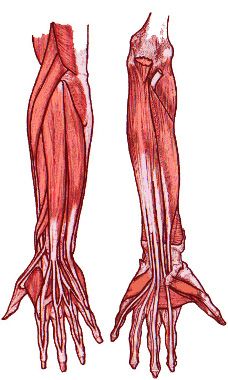
Hand & Upper Limb Trauma
Hand & Upper Limb Trauma
Specialised Reconstruction for Hand and Upper Limb Injuries
Hand & Upper Limb Trauma involves the diagnosis and surgical treatment of injuries affecting the hand, wrist, forearm, elbow, and upper arm. These injuries can involve bones, tendons, nerves, blood vessels, skin, and soft tissues, and may significantly affect movement and function.
Hand & Upper Limb Trauma Procedures
- Tendon Repair & Reconstruction – Repair of damaged flexor and extensor tendons to restore movement.
- Nerve Repair & Reconstruction – Treatment of injured nerves to support recovery of sensation and function.
- Vascular Repair – Reconstruction of damaged blood vessels following traumatic injuries.
- Fracture-Related Soft Tissue Reconstruction – Management of soft-tissue damage associated with complex fractures.
- Skin Grafting – Coverage of significant skin loss following trauma.
- Local & Regional Flap Reconstruction – Use of healthy nearby tissue to cover complex wounds.
- Free Flap Reconstruction – Microsurgical tissue transfer for major tissue defects when required.
- Finger & Hand Reconstruction – Restoration of damaged or missing tissues following severe injuries.
- Replantation & Revascularisation – Microsurgical procedures for selected amputated or severely injured digits or limbs.
- Post-Trauma Scar & Contracture Correction – Improvement of scars and restricted movement following injury.
- Crush Injury Reconstruction – Comprehensive reconstruction for severe crush-related tissue damage.
Common Causes of Hand & Upper Limb Trauma
- Road traffic accidents
- Workplace and industrial injuries
- Crush injuries
- Deep cuts and lacerations
- Tendon and nerve injuries
- Burns
- Fractures with significant soft-tissue damage
- Partial or complete traumatic amputations
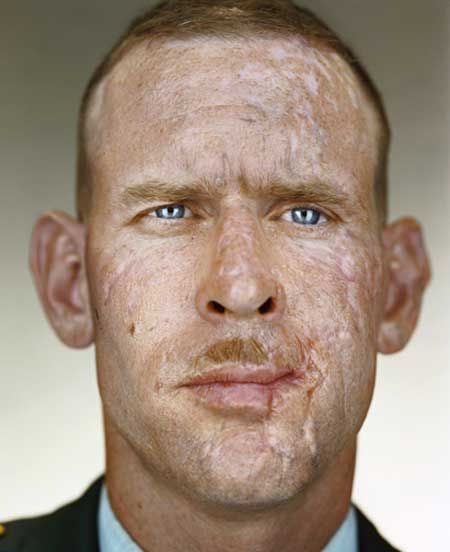
Facial Trauma
Specialised Reconstruction for Facial Injuries and Trauma
Facial Trauma Surgery focuses on the treatment and reconstruction of injuries affecting the face, skin, soft tissues, bones, nerves, and other facial structures following accidents, falls, sports injuries, burns, or other trauma. The aim is to restore facial function, symmetry, structure, and appearance.
Facial Trauma Procedures
- Facial Laceration Repair – Precise repair of deep cuts and wounds to minimise scarring and restore tissue alignment.
- Facial Fracture Reconstruction – Surgical treatment of selected fractures involving the facial bones.
- Soft Tissue Reconstruction – Restoration of damaged or missing facial skin and soft tissue.
- Facial Skin Grafting – Coverage of significant skin loss when direct closure is not suitable.
- Local & Regional Flap Reconstruction – Use of nearby healthy tissue to reconstruct complex facial defects.
- Nerve Repair & Reconstruction – Treatment of selected facial nerve injuries to support recovery of movement and sensation.
- Post-Trauma Scar Revision – Improvement of visible or restrictive scars following facial injuries.
- Contracture Release – Correction of tight scar tissue that restricts facial movement or function.
- Nasal Trauma Reconstruction – Correction of structural or soft-tissue deformities following nasal injury.
- Ear Trauma Reconstruction – Repair and reconstruction of damaged ear tissue and cartilage.
- Complex Facial Reconstruction – Comprehensive reconstruction for extensive facial tissue loss or severe injuries.
Common Causes of Facial Trauma
- Road traffic accidents
- Falls
- Workplace injuries
- Sports injuries
- Burns
- Deep cuts and lacerations
- Facial fractures
- Animal or other traumatic injuries
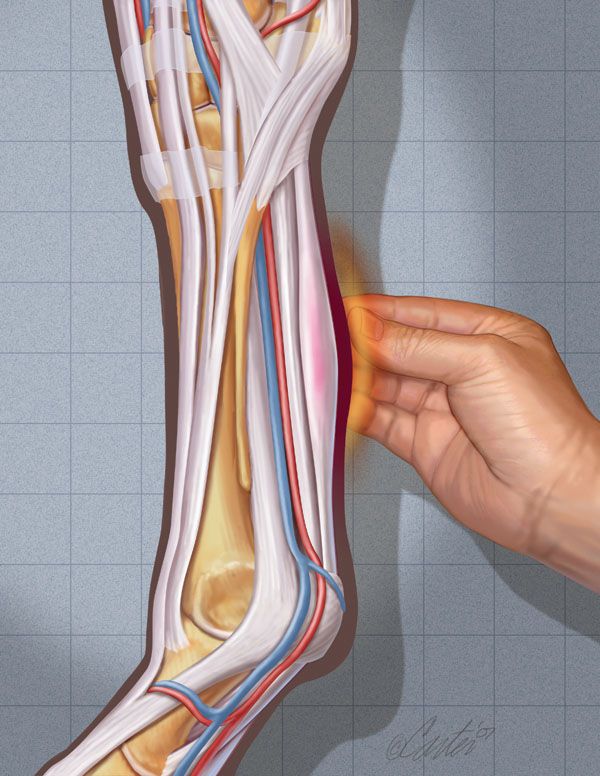
Soft Tissue Injuries
Expert Care for Skin, Muscle, Tendon, and Soft Tissue Damage
Soft Tissue Injury Surgery focuses on the treatment and reconstruction of damaged skin, fat, muscles, tendons, nerves, and other soft tissues caused by accidents, falls, crush injuries, burns, or other trauma. Proper treatment can help restore tissue coverage, movement, function, and appearance.
Soft Tissue Injury Procedures
- Complex Wound Management – Assessment and surgical treatment of deep, large, or difficult-to-heal wounds.
- Laceration & Wound Repair – Precise repair of cuts and damaged tissues to support proper healing.
- Skin Grafting – Coverage of wounds where sufficient skin is not available for direct closure.
- Local Flap Reconstruction – Use of nearby healthy tissue to cover and reconstruct soft-tissue defects.
- Regional & Pedicled Flaps – Transfer of tissue while maintaining its natural blood supply.
- Free Flap Reconstruction – Microsurgical transfer of tissue for extensive or complex defects.
- Tendon Repair & Reconstruction – Repair of damaged tendons to restore movement and function.
- Nerve Repair & Reconstruction – Treatment of selected nerve injuries to support recovery of sensation and function.
- Scar & Contracture Correction – Improvement of scars that cause deformity, tightness, or restricted movement.
- Post-Trauma Soft Tissue Reconstruction – Restoration of tissue lost or damaged following significant injuries.
Common Causes of Soft Tissue Injuries
- Road traffic accidents
- Workplace and industrial injuries
- Crush injuries
- Deep cuts and lacerations
- Burns
- Sports injuries
- Animal-related injuries
- Surgical or post-traumatic tissue loss
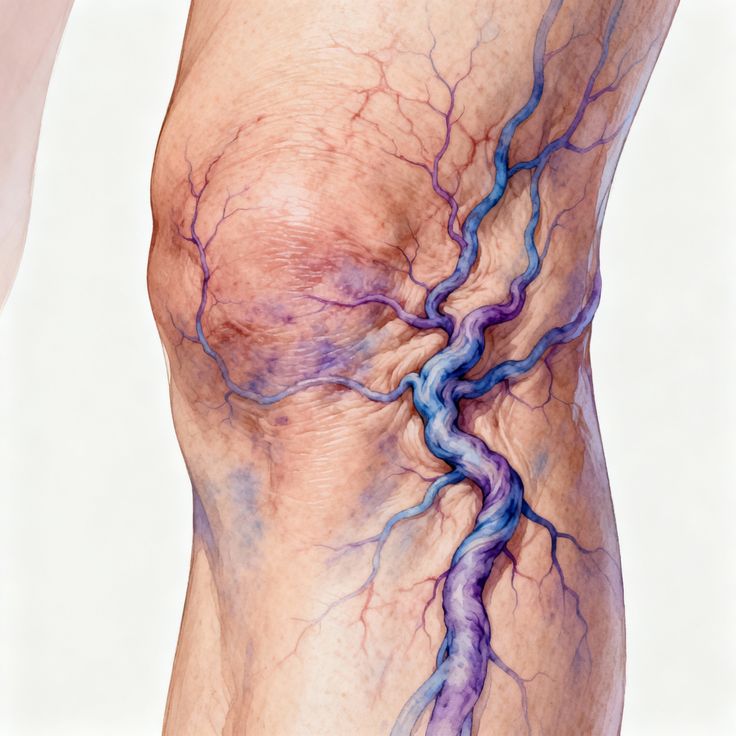
Nerve Injuries
Specialised Nerve Repair and Reconstruction to Restore Function
Nerve Injury Surgery focuses on the diagnosis, repair, and reconstruction of damaged peripheral nerves following accidents, cuts, crush injuries, fractures, burns, or other trauma. Early and appropriate treatment may help improve sensation, movement, and functional recovery.
Nerve Injury Procedures
- Peripheral Nerve Repair – Precise surgical repair of a damaged nerve when appropriate.
- Nerve Grafting – Uses a nerve graft to bridge a gap when direct nerve repair is not possible.
- Nerve Transfer – Redirects a functioning nerve to restore activity in a damaged nerve pathway in selected cases.
- Nerve Decompression – Relieves pressure around an affected nerve when compression contributes to symptoms.
- Nerve Reconstruction – Advanced reconstruction for complex or extensive nerve injuries.
- Brachial Plexus Reconstruction – Surgical treatment of selected injuries involving the network of nerves supplying the upper limb.
- Post-Trauma Nerve Reconstruction – Management of nerve damage following serious injuries.
- Revision Nerve Surgery – Evaluation and treatment of selected persistent problems after previous nerve repair.
Common Causes of Nerve Injuries
- Road traffic accidents
- Deep cuts and lacerations
- Crush injuries
- Workplace injuries
- Fractures and dislocations
- Sports injuries
- Burns
- Previous surgical injuries
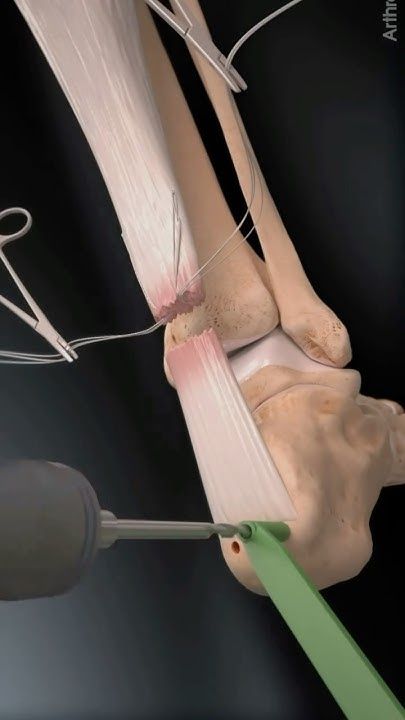
Tendon Injuries
Specialised Tendon Repair and Reconstruction to Restore Movement
Tendon Injury Surgery focuses on the treatment and reconstruction of damaged tendons in the hand, wrist, forearm, and upper limb following cuts, crush injuries, sports injuries, accidents, or other trauma. Appropriate treatment aims to restore movement, strength, and function of the affected area.
Tendon Injury Procedures
- Flexor Tendon Repair – Repair of injured tendons responsible for bending the fingers and hand.
- Extensor Tendon Repair – Repair of tendons that help straighten the fingers, thumb, and wrist.
- Tendon Reconstruction – Reconstruction of tendons when direct repair is not possible or when there is significant tissue damage.
- Tendon Grafting – Use of a tendon graft to bridge a damaged tendon gap in selected cases.
- Tendon Transfer – Redirecting a functioning tendon to restore movement when another tendon or muscle is no longer functional.
- Delayed Tendon Reconstruction – Treatment of selected old or neglected tendon injuries.
- Post-Trauma Tendon Repair – Management of tendon injuries associated with complex wounds or fractures.
- Revision Tendon Surgery – Correction of selected problems following previous tendon repair.
Common Causes of Tendon Injuries
- Deep cuts and lacerations
- Road traffic accidents
- Workplace and industrial injuries
- Crush injuries
- Sports injuries
- Glass or sharp-object injuries
- Hand and upper-limb trauma
Symptoms of Tendon Injury
Depending on the tendon involved, patients may experience:
- Difficulty bending or straightening fingers
- Reduced hand or wrist movement
- Weakness while gripping
- Pain or swelling
- Loss of normal hand function
- Visible wound or laceration
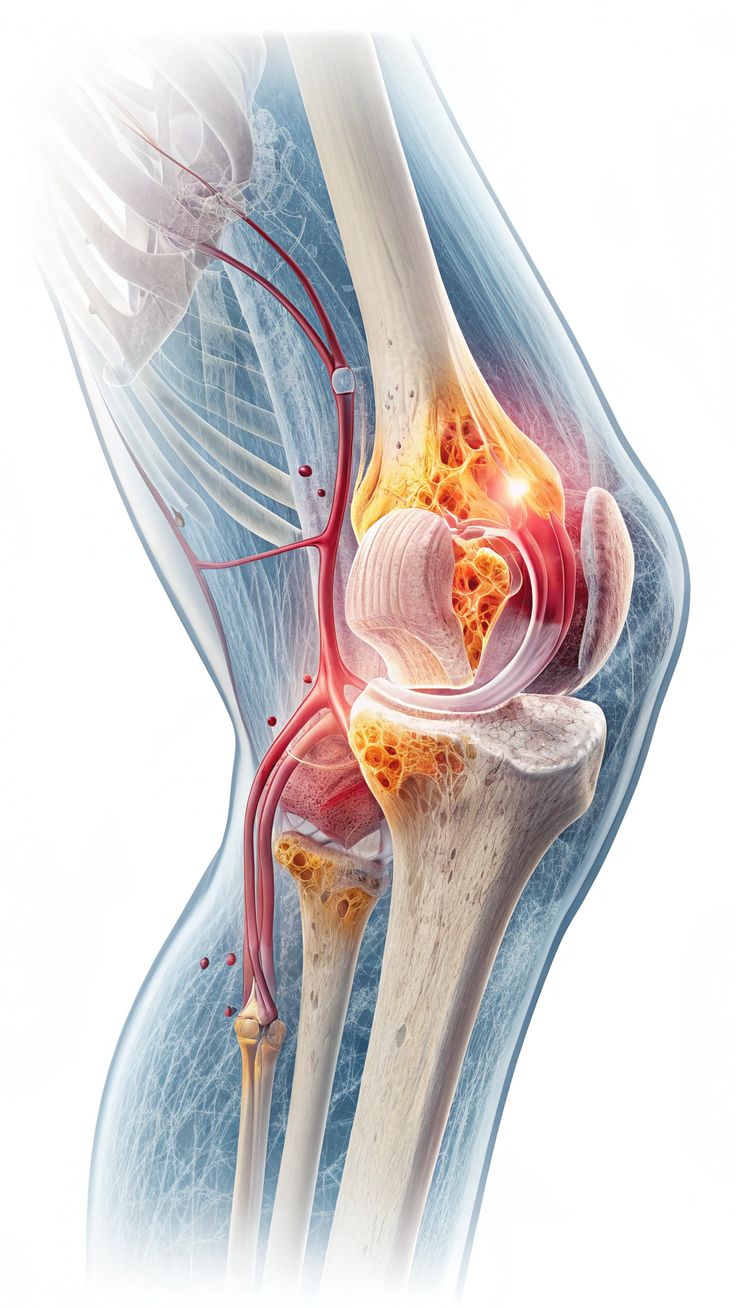
Bone & Joint Injuries
Comprehensive Reconstruction for Complex Bone, Joint, and Soft Tissue Injuries
Bone & Joint Injuries can occur following accidents, falls, sports injuries, crush injuries, or other trauma. When these injuries are associated with significant skin, soft-tissue, tendon, nerve, or blood-vessel damage, specialised plastic and reconstructive surgery may be required alongside orthopaedic care.
Bone & Joint Injury Procedures
- Complex Fracture Soft-Tissue Reconstruction – Coverage and reconstruction of soft-tissue damage associated with difficult fractures.
- Open Fracture Reconstruction – Management of wounds and tissue loss around exposed or complex fractures.
- Joint Injury Reconstruction – Soft-tissue reconstruction around injured joints when required.
- Bone Exposure Coverage – Reconstruction to protect exposed bone, joints, tendons, or other important structures.
- Skin Grafting – Coverage of suitable wounds where direct closure is not possible.
- Local & Regional Flap Reconstruction – Transfer of healthy nearby tissue to provide durable wound coverage.
- Free Flap Reconstruction – Microsurgical tissue transfer for extensive or complex defects.
- Post-Trauma Reconstruction – Restoration of damaged tissues following severe bone and joint injuries.
- Scar & Contracture Correction – Treatment of restrictive scars that develop after trauma or surgery.
Common Causes
- Road traffic accidents
- Workplace and industrial injuries
- Sports injuries
- Falls
- Crush injuries
- Open or compound fractures
- Severe joint trauma
- Previous trauma or surgical complications
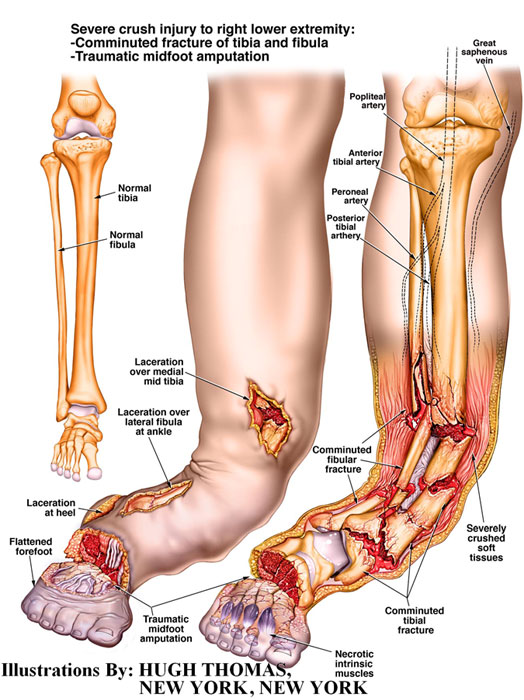
Crush Injuries
Advanced Reconstruction for Severe Tissue and Limb Injuries
Crush Injuries occur when a body part is compressed between heavy or moving objects, potentially causing damage to the skin, muscles, tendons, nerves, blood vessels, bones, and joints. Severe crush injuries often require urgent assessment and coordinated reconstructive care to preserve tissue and restore function.
Crush Injury Procedures
- Emergency Wound Assessment & Reconstruction – Evaluation of tissue damage and planning of appropriate surgical treatment.
- Debridement – Removal of damaged or non-viable tissue to support wound healing and reduce the risk of complications.
- Skin Grafting – Coverage of suitable areas with significant skin loss.
- Local & Regional Flap Reconstruction – Use of healthy nearby tissue to cover complex wounds and exposed structures.
- Free Flap Reconstruction – Microsurgical transfer of tissue for major soft-tissue defects.
- Tendon Repair & Reconstruction – Treatment of damaged tendons to restore movement.
- Nerve Repair & Reconstruction – Repair or reconstruction of selected nerve injuries.
- Vascular Repair – Reconstruction of damaged blood vessels when required.
- Hand & Limb Reconstruction – Comprehensive reconstruction following severe crush injuries.
- Replantation & Revascularisation – Microsurgical procedures for selected amputated or severely compromised digits or limbs.
- Scar & Contracture Reconstruction – Treatment of later complications that restrict movement or cause deformity.
Common Causes of Crush Injuries
- Industrial and workplace accidents
- Road traffic accidents
- Machinery-related injuries
- Heavy-object injuries
- Construction-site accidents
- Door or equipment-related injuries
- Severe hand and limb trauma

Complex Accident Injuries
Advanced Reconstructive Care for Severe Accident-Related Injuries
Complex Accident Injury Surgery focuses on the reconstruction of severe and multi-structure injuries caused by road traffic accidents, workplace incidents, industrial accidents, falls, and other major trauma. Such injuries may involve the skin, soft tissues, muscles, tendons, nerves, blood vessels, bones, and joints.
Complex Accident Injury Procedures
- Complex Wound Reconstruction – Treatment and reconstruction of large, deep, or difficult wounds.
- Skin Grafting – Coverage of significant skin loss when direct wound closure is not possible.
- Local & Regional Flap Reconstruction – Use of healthy nearby tissue to cover complex defects.
- Free Flap Reconstruction – Microsurgical transfer of tissue for extensive tissue loss.
- Hand & Limb Reconstruction – Restoration of severely injured hands, arms, and legs.
- Facial Trauma Reconstruction – Repair of facial soft-tissue and structural injuries.
- Tendon Repair & Reconstruction – Restoration of damaged tendons to improve movement and function.
- Nerve Repair & Reconstruction – Treatment of selected traumatic nerve injuries.
- Vascular Repair & Reconstruction – Repair of damaged blood vessels when required.
- Replantation & Revascularisation – Microsurgical procedures for selected amputations or severely compromised body parts.
- Scar & Contracture Reconstruction – Correction of restrictive scars and deformities following trauma.
- Post-Trauma Reconstruction – Restoration of function, structure, and appearance after severe accidents.
Common Accident-Related Injuries
- Road traffic accident injuries
- Workplace and industrial injuries
- Crush injuries
- Machinery-related injuries
- Construction-site injuries
- Severe hand and limb injuries
- Facial injuries
- Open fractures with soft-tissue damage
- Traumatic amputations
- Extensive skin and soft-tissue loss
Post-Trauma Reconstruction
Restoring Function, Structure, and Appearance After Trauma
Post-Trauma Reconstruction is a specialised plastic and reconstructive surgery service for patients who have experienced significant tissue damage or deformity following accidents, injuries, burns, or previous trauma surgery. The focus is on restoring damaged tissues while improving function, movement, and appearance.
Post-Trauma Reconstruction Procedures
- Soft Tissue Reconstruction – Restoration of damaged or missing skin, fat, and soft tissue.
- Skin Grafting – Coverage of wounds where direct closure is not suitable.
- Local & Regional Flap Reconstruction – Use of healthy nearby tissue to cover complex defects.
- Free Flap Reconstruction – Microsurgical transfer of tissue for extensive tissue loss.
- Hand & Limb Reconstruction – Restoration of severely damaged hands and limbs.
- Facial Trauma Reconstruction – Reconstruction of facial injuries and tissue defects.
- Tendon Repair & Reconstruction – Treatment of traumatic tendon injuries to restore movement.
- Nerve Repair & Reconstruction – Management of selected traumatic nerve injuries.
- Vascular Reconstruction – Repair of damaged blood vessels when required.
- Scar Revision & Contracture Release – Improvement of scars and restricted movement following trauma.
- Replantation & Revascularisation – Microsurgical treatment for selected amputated or severely injured digits or limbs.
- Secondary & Revision Reconstruction – Correction of deformities or functional problems remaining after previous trauma treatment.
Common Causes
- Road traffic accidents
- Workplace and industrial injuries
- Crush injuries
- Falls and sports injuries
- Burns
- Deep cuts and lacerations
- Traumatic amputations
- Complex fractures with soft-tissue damage
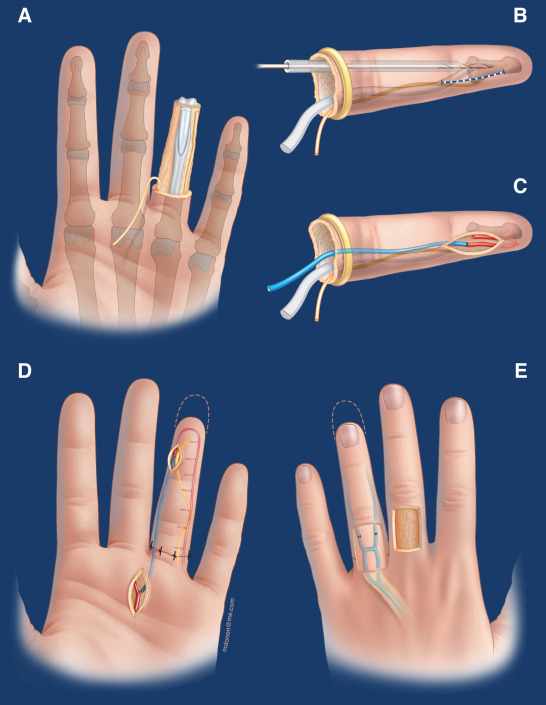
Replantation Surgery
Microsurgical Restoration of Amputated Fingers, Hands, and Limbs
Replantation Surgery is an advanced microsurgical procedure performed to reattach a completely or partially amputated body part following a traumatic injury. The procedure involves carefully reconnecting bones, tendons, nerves, arteries, and veins to restore blood flow and, where possible, preserve the function of the injured part.
Replantation Procedures
- Finger Replantation – Reattachment of completely or partially amputated fingers in suitable cases.
- Thumb Replantation – Reconstruction of an amputated thumb, with particular attention to preserving hand function.
- Hand Replantation – Microsurgical reattachment following traumatic hand amputation.
- Wrist & Forearm Replantation – Reconstruction of selected amputations involving the wrist or forearm.
- Partial Amputation Reconstruction – Treatment of injuries where part of the tissue remains attached but blood supply is compromised.
- Revascularisation – Restoration of blood flow to a severely injured but incompletely amputated body part.
- Bone Fixation – Stabilisation of the amputated segment to restore structural continuity.
- Tendon Repair – Reconnection of damaged tendons to support future movement.
- Nerve Repair – Microsurgical repair of nerves to support recovery of sensation and function.
- Blood Vessel Repair – Precise connection of arteries and veins to restore circulation.
Common Causes
- Road traffic accidents
- Industrial and workplace accidents
- Machinery-related injuries
- Crush injuries
- Sharp-object injuries
- Traumatic amputations
When Is Replantation Considered?
Replantation is not suitable for every amputation. The decision depends on factors such as:
- Level and type of amputation
- Condition of the amputated part
- Degree of crush or tissue damage
- Time since the injury
- Blood vessel condition
- Overall health of the patient