
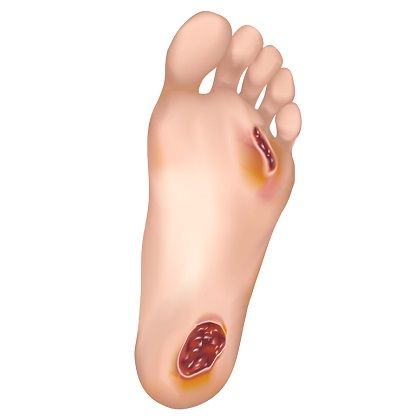
Diabetic Foot Wounds
Specialised Care for Diabetic Foot Wounds, Infections & Complex Ulcers
Diabetic foot wounds can develop due to reduced sensation, poor blood circulation, infection, or repeated pressure on the feet. Without timely treatment, even a small wound can become serious and may lead to tissue damage or amputation.
Our approach focuses on early assessment, infection control, wound healing, and preservation of the foot whenever possible.
Diabetic Foot Wound Care Services
- Diabetic Foot Ulcer Treatment
- Chronic Foot Wound Management
- Infected Foot Wound Care
- Wound Debridement
- Diabetic Foot Infection Management
- Abscess & Collection Treatment
- Necrotic Tissue Removal
- Pressure & Ulcer Care
- Soft Tissue Reconstruction
- Skin Grafting for Selected Wounds
- Flap Reconstruction for Complex Wounds
- Diabetic Foot Surgery
- Post-Surgical Wound Care
Common Problems We Treat
- Non-healing diabetic foot ulcers
- Open wounds and sores
- Infected wounds
- Foot swelling and redness
- Tissue death (gangrene)
- Wounds caused by pressure or repeated friction
- Wounds following diabetic foot surgery
- Complex wounds involving bone, tendon, or soft tissue
When Should You Seek Medical Attention?
A diabetic foot wound should be assessed promptly, especially if there is:
- Increasing pain or swelling
- Redness or warmth around the wound
- Pus or foul-smelling discharge
- Black or dead-looking tissue
- Fever or other signs of infection
- A wound that is not healing
- Sudden change in foot colour or temperature
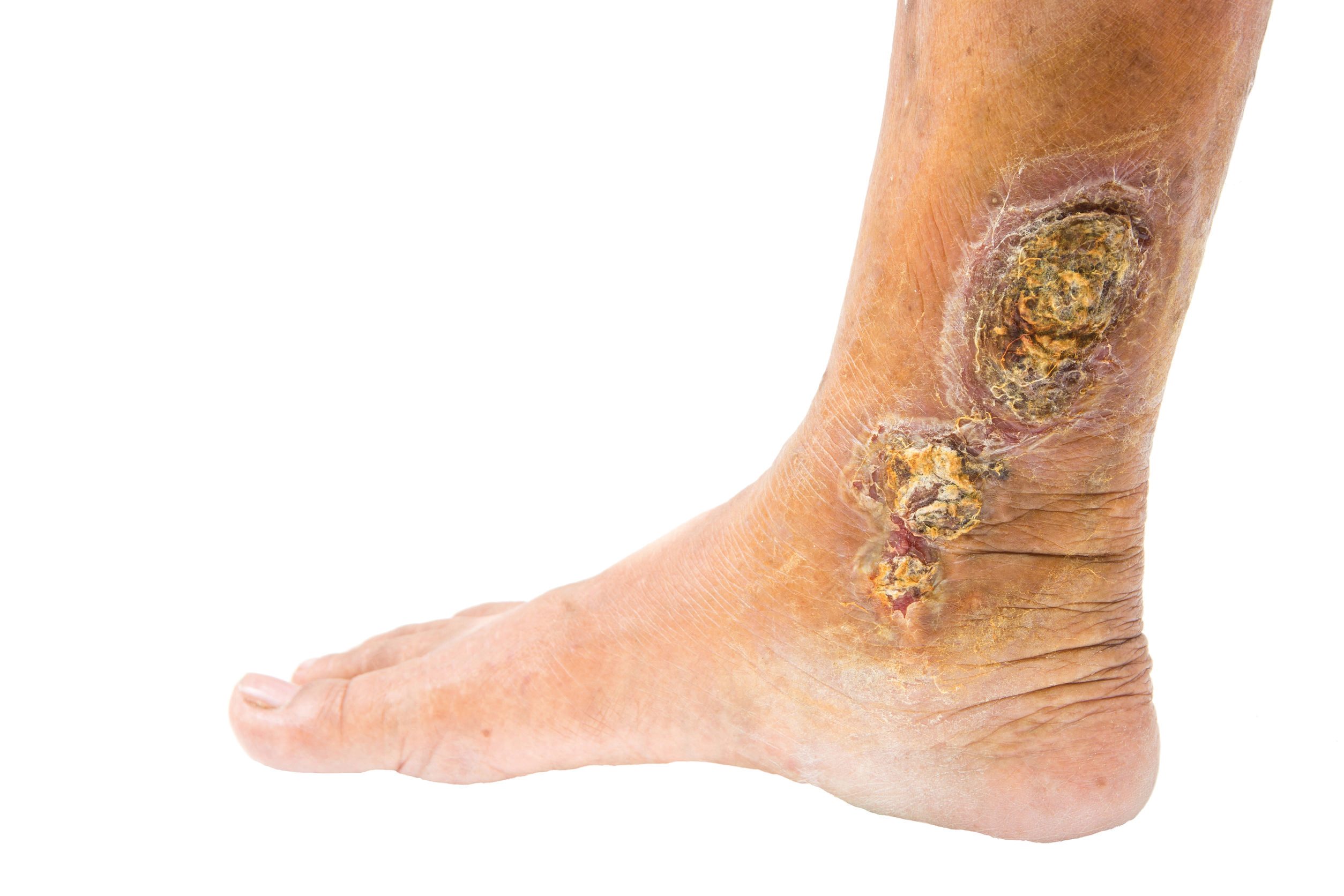
Chronic Wounds
Advanced Management of Non-Healing, Complex, and Difficult-to-Treat Wounds
Chronic Wound Management focuses on the assessment, treatment, and healing of wounds that fail to heal normally or remain open for an extended period. These wounds may result from diabetes, poor circulation, pressure, infection, trauma, or other underlying conditions. Treatment aims to control infection, improve blood supply, promote healthy tissue formation, and preserve the affected limb whenever possible.
Chronic Wound Treatments
- Diabetic Foot Wounds – Comprehensive treatment of wounds associated with diabetes, including prevention of complications and limb preservation.
- Non-Healing Wounds – Assessment and treatment of wounds that remain open despite conventional wound care.
- Pressure Sores / Bed Sores – Management of pressure-related wounds with appropriate wound care and pressure relief.
- Venous Ulcers – Treatment of chronic wounds caused by impaired venous circulation, particularly in the lower limbs.
- Arterial Ulcers – Management of wounds associated with reduced arterial blood supply.
- Infected Wounds – Evaluation and treatment of infected wounds to control infection and support healing.
- Post-Surgical Wounds – Management of surgical wounds with delayed healing, infection, or wound breakdown.
- Traumatic Chronic Wounds – Treatment of wounds that remain unhealed following accidents or traumatic injuries.
- Wound Debridement – Removal of dead, damaged, or infected tissue to create a healthier environment for healing.
- Skin Grafting – Coverage of suitable wound defects using healthy skin to promote wound closure.
- Flap Reconstruction – Reconstruction of complex wounds using well-vascularised tissue when simple wound closure is not possible.
- Complex Wound Reconstruction – Advanced surgical management of extensive wounds involving skin, soft tissue, tendon, bone, or other structures.
Common Causes
- Diabetes and diabetic foot complications
- Poor blood circulation
- Venous disease
- Arterial disease
- Prolonged pressure or immobility
- Infection
- Traumatic injuries
- Surgical wound complications
- Tissue loss and necrosis
- Previous radiation or other tissue damage
When Is Chronic Wound Treatment Considered?
Treatment is considered when a wound fails to heal normally, repeatedly breaks down, becomes infected, or causes significant tissue loss. The treatment approach depends on:
- Duration and size of the wound
- Underlying cause
- Blood supply to the affected area
- Presence of infection
- Amount of dead or damaged tissue
- Condition of surrounding skin and soft tissue
- Involvement of tendon, bone, or other structures
- Overall health and healing capacity of the patient
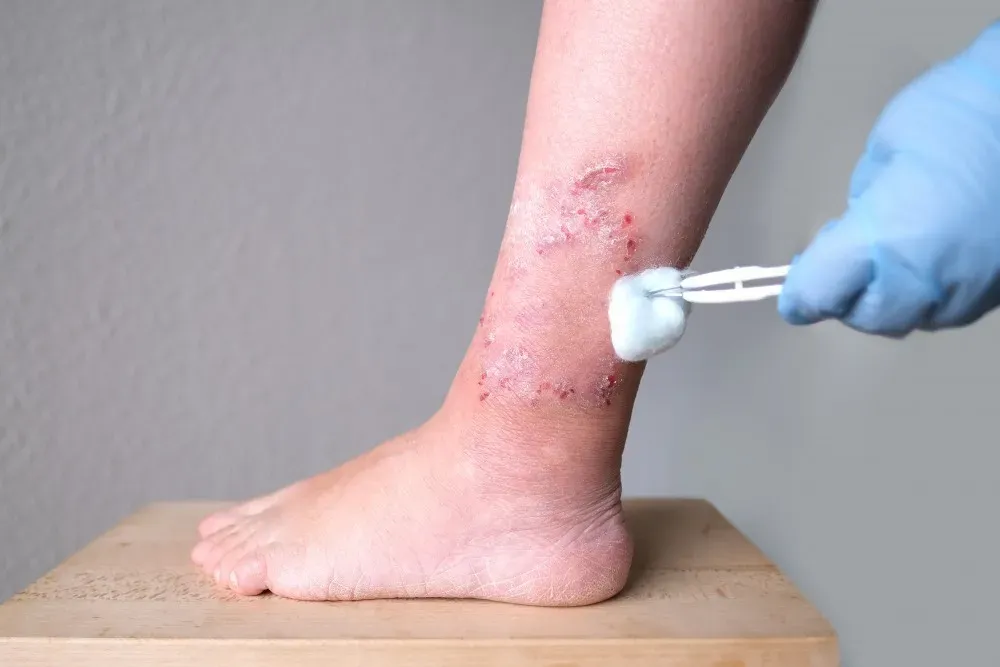
Non-Healing Wounds
Non-Healing Wounds
Specialised Treatment for Persistent and Difficult-to-Heal Wounds
Non-Healing Wounds are wounds that do not progress through the normal healing process or remain open for an extended period despite routine wound care. They may occur due to diabetes, poor blood circulation, infection, pressure, trauma, or underlying medical conditions. Early assessment and appropriate treatment can help control complications, promote healing, and reduce the risk of tissue loss or amputation.
Non-Healing Wound Treatments
- Wound Assessment – Detailed evaluation of the wound, surrounding tissue, and factors affecting healing.
- Diabetic Wound Management – Comprehensive care of wounds associated with diabetes and diabetic foot complications.
- Wound Debridement – Removal of dead, damaged, or infected tissue to support healthy wound healing.
- Infection Management – Identification and treatment of wound infections to prevent further tissue damage.
- Wound Dressing & Care – Selection of appropriate wound-care techniques and dressings based on the wound condition.
- Blood Supply Assessment – Evaluation of circulation to identify reduced blood flow that may delay healing.
- Pressure Wound Management – Treatment and prevention of wounds caused by prolonged pressure.
- Skin Grafting – Coverage of suitable wounds with healthy skin when natural healing or direct closure is not adequate.
- Flap Reconstruction – Use of well-vascularised tissue to reconstruct complex wounds with significant tissue loss.
- Complex Wound Reconstruction – Advanced surgical management of wounds involving skin, soft tissue, tendon, or bone.
Common Causes
- Diabetes and diabetic foot problems
- Poor blood circulation
- Venous or arterial disease
- Wound infection
- Pressure sores / bed sores
- Traumatic injuries
- Surgical wound complications
- Repeated wound breakdown
- Tissue death or necrosis
- Significant loss of skin and soft tissue
When Is Treatment Considered?
Treatment should be considered when a wound fails to show normal healing, repeatedly breaks down, becomes infected, or causes progressive tissue damage. The treatment plan depends on:
- Duration, size, and depth of the wound
- Underlying cause
- Blood circulation to the affected area
- Presence and severity of infection
- Condition of the surrounding tissue
- Amount of dead or damaged tissue
- Involvement of tendon or bone
- Overall health and healing capacity of the patient
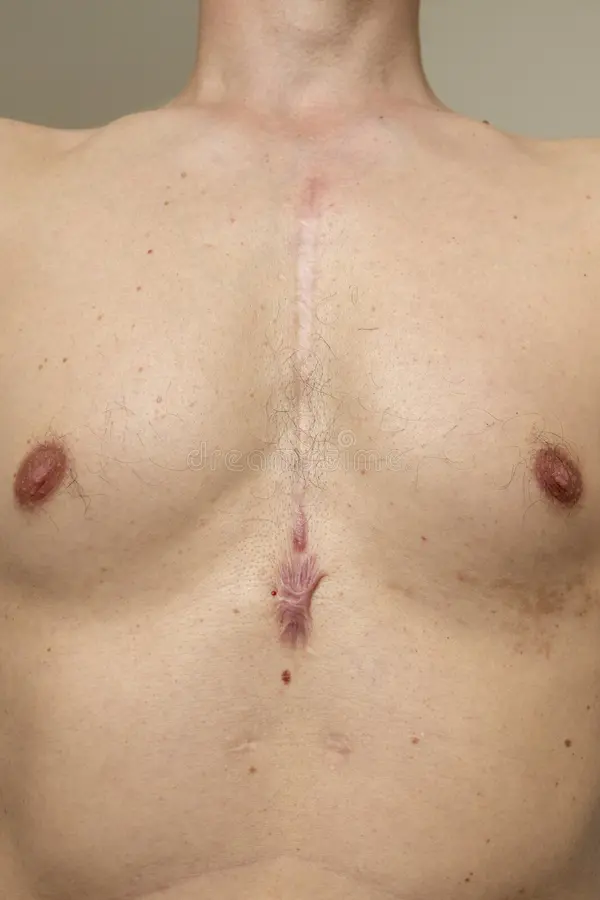
Post-Surgical Wounds
Specialised Management of Surgical Wounds with Delayed Healing and Complications
Post-Surgical Wounds are wounds that develop following a surgical procedure and may experience delayed healing, infection, wound separation, tissue damage, or other complications. Proper assessment and timely treatment are important to control infection, protect surrounding tissues, and promote safe wound healing.
Post-Surgical Wound Treatments
- Surgical Wound Assessment – Evaluation of the wound, surrounding tissue, and healing progress.
- Wound Infection Management – Identification and treatment of infection affecting the surgical wound.
- Wound Debridement – Removal of dead, damaged, or infected tissue to support healthy healing.
- Wound Dressing & Care – Appropriate wound-care techniques and dressings based on the wound condition.
- Wound Dehiscence Management – Treatment of surgical wounds that have partially or completely separated.
- Surgical Site Complication Management – Management of complications such as fluid collection, tissue breakdown, or delayed healing.
- Scar & Skin Revision – Correction of problematic scars or irregular skin healing when required.
- Skin Grafting – Coverage of wounds with healthy skin when sufficient tissue is not available for natural closure.
- Flap Reconstruction – Reconstruction of complex surgical wounds using well-vascularised tissue.
- Complex Wound Reconstruction – Advanced treatment of extensive wounds involving skin, soft tissue, tendon, or bone.
Common Causes
- Surgical site infection
- Wound dehiscence
- Poor blood supply
- Diabetes and other conditions affecting healing
- Excessive tension on the wound
- Tissue damage or necrosis
- Fluid collection or persistent wound discharge
- Previous radiation or compromised tissue
- Complicated or extensive surgical procedures
When Is Treatment Considered?
Specialist evaluation may be required when a surgical wound fails to heal normally, opens up, develops persistent discharge, shows signs of infection, or results in significant tissue loss. The treatment approach depends on:
- Type and location of the surgical wound
- Size and depth of the wound
- Presence of infection
- Condition of the surrounding tissue
- Blood supply to the affected area
- Degree of tissue loss
- Involvement of deeper structures
- Overall health and healing capacity of the patient
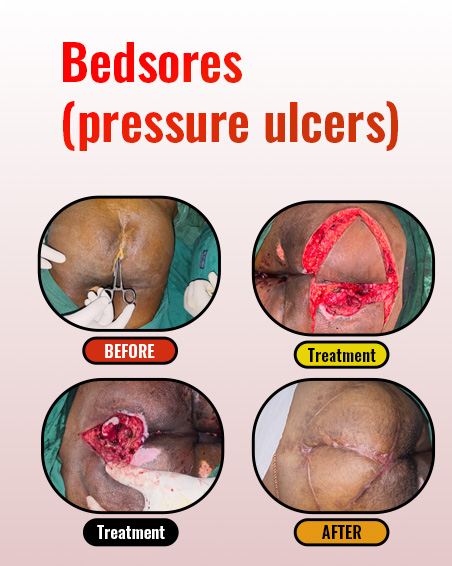
Pressure Ulcers
Specialised Care for Pressure-Related Skin and Soft Tissue Wounds
Pressure Ulcers, also known as Pressure Sores or Bed Sores, are areas of skin and underlying tissue damage caused by prolonged pressure, friction, or shear. They commonly develop over bony areas in patients with limited mobility. Early assessment and appropriate treatment can help prevent wound progression, infection, and deeper tissue damage.
Pressure Ulcer Treatments
- Wound Assessment – Evaluation of the ulcer’s size, depth, tissue condition, and stage of healing.
- Pressure Relief – Measures to reduce prolonged pressure on the affected area and prevent further tissue damage.
- Wound Cleaning & Dressing – Appropriate wound cleansing and dressing based on the condition of the ulcer.
- Wound Debridement – Removal of dead, damaged, or infected tissue to encourage healthy wound healing.
- Infection Management – Assessment and treatment of wound infection when present.
- Nutrition & Healing Support – Identification of nutritional factors that may affect tissue repair and wound healing.
- Negative Pressure Wound Therapy – Use of specialised wound therapy in selected complex or difficult-to-heal wounds.
- Skin Grafting – Coverage of suitable wounds with healthy skin when required.
- Flap Reconstruction – Reconstruction of deep or extensive pressure ulcers using well-vascularised tissue.
- Complex Wound Reconstruction – Advanced surgical management of wounds involving extensive skin and soft tissue loss.
Common Causes
- Prolonged bed rest or immobility
- Long-term wheelchair use
- Reduced sensation or inability to change position
- Friction and shear
- Poor nutrition
- Moisture and prolonged exposure to urine or stool
- Diabetes and other conditions affecting healing
- Poor blood circulation
- Severe illness or reduced general health
Common Locations
- Tailbone / Sacrum
- Hips
- Heels
- Elbows
- Shoulders
- Back of the head
- Ankles
- Knees
When Is Specialist Treatment Considered?
Specialist evaluation may be required when a pressure ulcer does not improve with basic wound care, becomes infected, develops dead tissue, becomes deep, or exposes deeper structures such as muscle, tendon, or bone.
The treatment approach depends on:
- Stage and depth of the ulcer
- Size and location of the wound
- Amount of tissue damage
- Presence of infection
- Blood supply to the affected area
- Nutritional status
- Mobility and ability to reposition
- Overall health and healing capacity of the patient
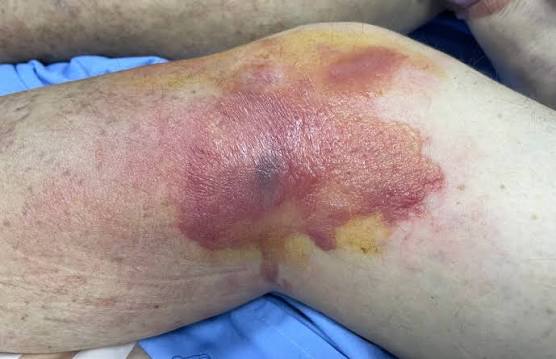
Complex Soft Tissue Wounds
Advanced Reconstruction for Extensive Skin, Muscle, and Soft Tissue Loss
Complex Soft Tissue Wounds are deep or extensive injuries involving the skin, subcutaneous tissue, muscle, fascia, or other soft tissues. They may result from severe trauma, accidents, infections, surgical complications, or tissue loss. These wounds often require specialised wound care and reconstructive surgery to restore tissue coverage, protect deeper structures, and support functional recovery.
Complex Soft Tissue Wound Treatments
- Comprehensive Wound Assessment – Detailed evaluation of the wound depth, tissue damage, blood supply, and involvement of deeper structures.
- Wound Debridement – Removal of dead, damaged, or infected tissue to create a healthy wound bed.
- Infection & Wound Control – Management of infection and local wound complications to support healing.
- Negative Pressure Wound Therapy – Specialised wound therapy used in selected complex wounds to assist wound-bed preparation and healing.
- Skin Grafting – Coverage of suitable soft tissue defects using healthy skin.
- Local Flap Reconstruction – Transfer of nearby healthy tissue to cover wounds and protect exposed structures.
- Regional Flap Reconstruction – Use of tissue from a nearby region to reconstruct larger or deeper defects.
- Free Flap Reconstruction – Microsurgical transfer of tissue from another part of the body for extensive soft tissue defects.
- Muscle & Fascia Reconstruction – Restoration of damaged muscle or fascial tissues when required.
- Tendon & Bone Coverage – Providing durable soft tissue coverage over exposed tendons, bones, joints, or implants.
- Scar & Contracture Revision – Correction of restrictive or problematic scars following wound healing.
- Limb Salvage Reconstruction – Advanced reconstruction aimed at preserving the affected limb when significant tissue loss has occurred.
Common Causes
- Road traffic accidents
- Industrial and workplace injuries
- Crush injuries
- Machinery-related injuries
- Severe burns
- Animal or human bites
- Infected wounds
- Necrotising soft tissue infections
- Surgical wound complications
- Tumour or cancer-related tissue removal
- Chronic or non-healing wounds
When Is Complex Wound Reconstruction Considered?
Specialist reconstruction may be required when a wound has extensive tissue loss, exposes important underlying structures, fails to heal with conventional wound care, or requires durable tissue coverage.
The treatment approach depends on:
- Size and depth of the wound
- Location and extent of tissue loss
- Condition of surrounding tissues
- Blood supply to the affected area
- Presence of infection
- Exposure of tendon, bone, joint, or implant
- Overall health and healing capacity of the patient
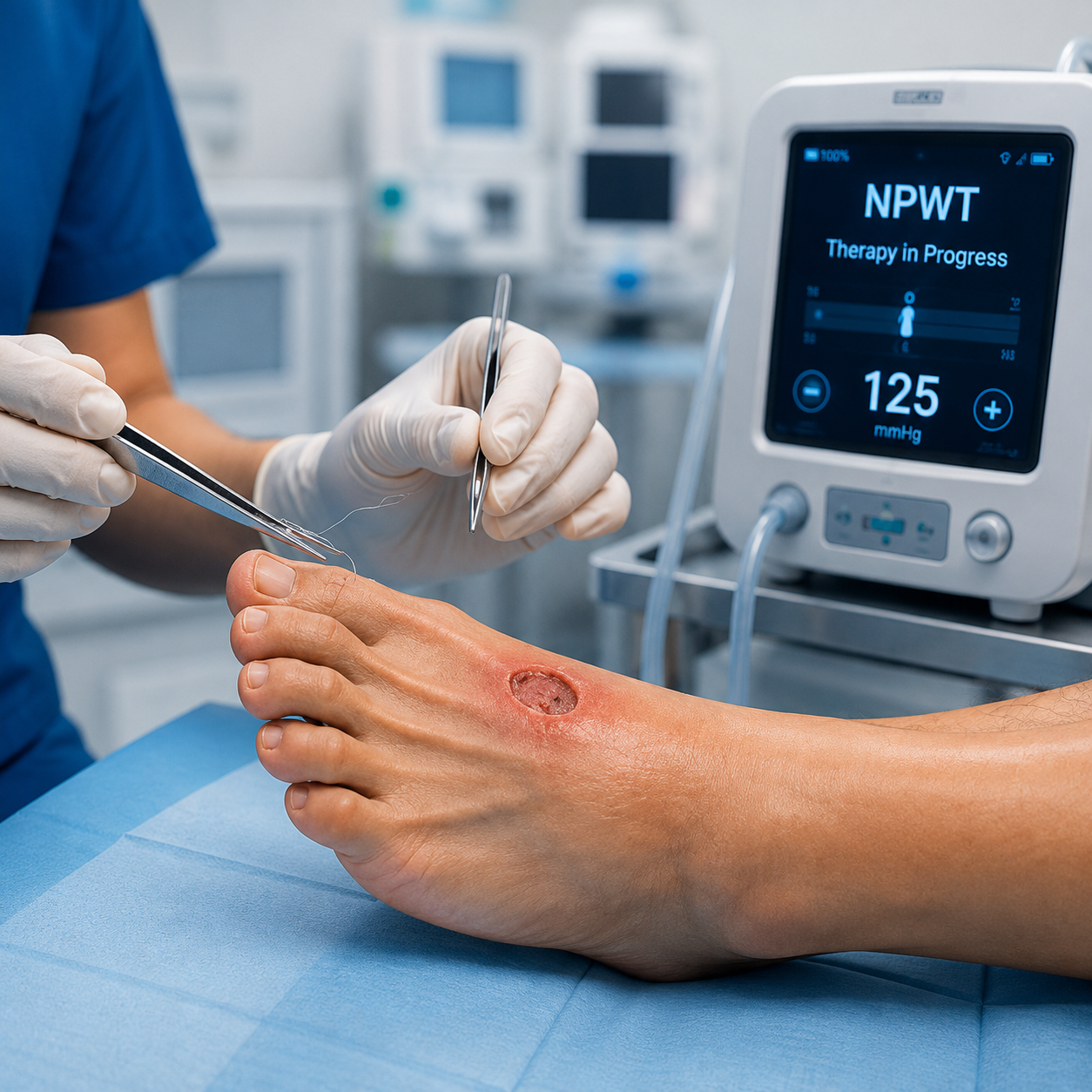
Advanced Wound Care
Comprehensive Management of Complex, Chronic, and Non-Healing Wounds
Advanced Wound Care is a specialised approach for complex, chronic, infected, diabetic, traumatic, and non-healing wounds that require more than routine dressing and basic wound care. Treatment focuses on identifying the underlying cause, controlling infection, removing unhealthy tissue, improving the wound environment, and promoting effective healing.
Advanced Wound Care Treatments
- Comprehensive Wound Assessment – Detailed evaluation of wound size, depth, tissue condition, infection, and factors affecting healing.
- Specialised Wound Dressings – Selection of advanced dressings based on the type, depth, moisture level, and condition of the wound.
- Wound Debridement – Removal of dead, damaged, or infected tissue to promote the formation of healthy tissue.
- Infection Management – Assessment and treatment of wound infections to prevent progression and further tissue damage.
- Negative Pressure Wound Therapy – Application of controlled suction to selected wounds to assist wound-bed preparation, manage wound fluid, and support healing.
- Diabetic Wound Care – Comprehensive management of diabetic foot and other diabetes-related wounds with a focus on tissue and limb preservation.
- Pressure Ulcer Management – Treatment and prevention of pressure-related wounds through wound care and pressure-relieving strategies.
- Chronic Wound Management – Long-term care of wounds that remain open or repeatedly break down.
- Wound Bed Preparation – Optimisation of the wound environment before closure, grafting, or reconstruction.
- Skin Grafting – Coverage of suitable wound defects using healthy skin once the wound is appropriately prepared.
- Flap Reconstruction – Use of healthy, well-vascularised tissue to cover complex or deep wounds.
- Complex Wound Reconstruction – Advanced surgical management of extensive skin and soft tissue defects.
Common Wounds Treated
- Diabetic foot wounds
- Non-healing wounds
- Pressure ulcers
- Infected wounds
- Post-surgical wounds
- Traumatic wounds
- Venous ulcers
- Arterial ulcers
- Necrotic wounds
- Complex soft tissue wounds
- Wounds requiring skin grafting or flap reconstruction
When Is Advanced Wound Care Considered?
Advanced wound care may be required when a wound fails to heal with routine treatment, becomes infected, develops dead tissue, repeatedly breaks down, or involves significant skin and soft tissue loss.
The treatment plan depends on:
- Cause and duration of the wound
- Size and depth of the wound
- Condition of the wound bed
- Blood supply and circulation
- Presence of infection
- Amount of non-viable tissue
- Involvement of tendon, bone, or other deeper structures
- Overall health and healing capacity of the patient