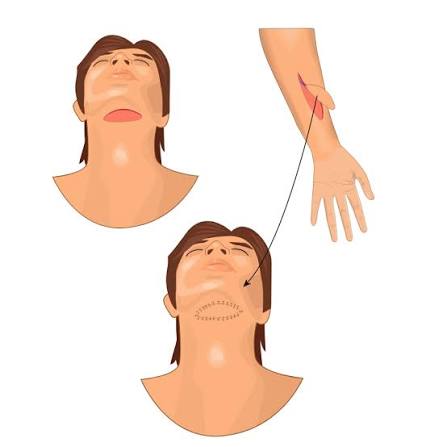
Free Flap Surgery
Microsurgical Transfer of Healthy Tissue to Reconstruct Complex and Extensive Defects
Free Flap Surgery is an advanced reconstructive procedure in which skin, fat, muscle, fascia, or a combination of tissues is transferred from one part of the body to another to reconstruct areas with significant tissue loss. The transferred tissue is completely detached from its original blood supply and microsurgically connected to blood vessels at the reconstruction site.
Free Flap Procedures
- Free Skin & Soft Tissue Flap – Transfer of healthy skin and underlying soft tissue to cover complex defects.
- Free Fasciocutaneous Flap – Transfer of skin and fascia for durable coverage of suitable wounds.
- Free Muscle Flap – Transfer of muscle tissue to fill deep defects and provide coverage over important structures.
- Free Musculocutaneous Flap – Transfer of muscle together with overlying skin for extensive tissue reconstruction.
- Free Osteocutaneous Flap – Transfer of bone along with skin and soft tissue for selected defects involving bone loss.
- Free Functional Muscle Transfer – Transfer of muscle tissue to restore selected functional movements in suitable patients.
- Microsurgical Vessel Repair – Precise connection of arteries and veins to establish blood flow to the transferred tissue.
- Complex Wound Coverage – Reconstruction of wounds with exposed bone, tendon, joint, nerve, or other vital structures.
- Post-Trauma Free Flap Reconstruction – Reconstruction of extensive tissue defects following severe accidents or crush injuries.
- Post-Cancer Free Flap Reconstruction – Reconstruction following removal of extensive cancerous or tumour-affected tissue.
Common Applications
- Severe traumatic injuries
- Crush injuries
- Extensive soft tissue loss
- Complex limb wounds
- Exposed bone or tendon
- Chronic non-healing wounds
- Post-cancer defects
- Head and neck reconstruction
- Breast reconstruction
- Complex hand and foot defects
- Limb salvage procedures
When Is Free Flap Surgery Considered?
Free flap surgery may be considered when a defect is too large or complex for direct closure, skin grafting, or simpler flap procedures, particularly when important structures such as bone, tendon, nerve, or joints are exposed.
The decision depends on:
- Size and depth of the defect
- Location of the reconstruction
- Type of tissue required
- Condition of surrounding tissues
- Availability of suitable blood vessels
- Presence or control of infection
- Functional requirements of the affected area
- Overall health and healing capacity of the patient
Microsurgical Reconstruction
Advanced Reconstruction Using Precision Microsurgery to Restore Tissue, Blood Flow, and Function
Microsurgical Reconstruction is an advanced form of reconstructive surgery that uses high-powered magnification and specialised instruments to repair tiny blood vessels and nerves. It allows surgeons to transfer healthy tissue from one part of the body to another and reconnect its blood supply, making it particularly valuable for complex wounds, severe trauma, cancer-related defects, and limb reconstruction.
Microsurgical Reconstruction Procedures
- Free Flap Reconstruction – Transfer of skin, fat, muscle, fascia, or bone with microsurgical reconnection of blood vessels.
- Microsurgical Blood Vessel Repair – Precise repair and reconnection of small arteries and veins to restore tissue circulation.
- Microsurgical Nerve Repair – Precision repair of injured nerves to support recovery of sensation and movement.
- Nerve Grafting – Use of a nerve graft to bridge a gap between damaged nerve ends when direct repair is not possible.
- Replantation Surgery – Microsurgical reattachment of amputated fingers, hands, or selected limbs by reconnecting bones, tendons, nerves, and blood vessels.
- Revascularisation – Restoration of blood flow to a severely injured but incompletely amputated body part.
- Complex Limb Reconstruction – Microsurgical reconstruction of extensive upper- or lower-limb defects.
- Head & Neck Reconstruction – Free tissue transfer for selected complex defects following trauma or cancer surgery.
- Breast Reconstruction – Microsurgical transfer of the patient’s own tissue for selected breast reconstruction procedures.
- Complex Wound Coverage – Reconstruction of wounds with exposed bone, tendon, joint, nerve, or other vital structures.
Common Applications
- Severe traumatic injuries
- Crush injuries
- Traumatic amputations
- Complex hand injuries
- Extensive limb defects
- Non-healing and chronic wounds
- Post-cancer tissue defects
- Severe soft tissue loss
- Exposed bone or tendon
- Complex reconstructive requirements
When Is Microsurgical Reconstruction Considered?
Microsurgical reconstruction may be considered when a patient has significant tissue loss, complex structural damage, an amputated body part requiring replantation, or a defect that cannot be adequately reconstructed using simpler techniques.
The treatment plan depends on:
- Location and extent of tissue damage
- Type of tissue that needs reconstruction
- Condition of the wound and surrounding tissues
- Availability and condition of blood vessels
- Presence of infection
- Nerve, tendon, bone, or joint involvement
- Functional requirements of the affected area
- Overall health and healing capacity of the patient
Tissue Transfer
Advanced Transfer of Healthy Tissue to Restore Coverage, Contour, and Function
Tissue Transfer is a reconstructive surgical technique in which healthy skin, fat, fascia, muscle, or other tissue is moved from one part of the body to another to repair areas affected by trauma, cancer surgery, chronic wounds, infection, or significant tissue loss. Depending on the defect, the transferred tissue may remain connected to its original blood supply or may be completely detached and reconnected using microsurgery.
Tissue Transfer Procedures
- Local Tissue Transfer – Movement of nearby healthy tissue to cover a wound or defect while preserving its blood supply.
- Regional Tissue Transfer – Transfer of tissue from a nearby anatomical region to reconstruct larger or deeper defects.
- Free Tissue Transfer – Complete transfer of tissue to another part of the body with microsurgical reconnection of blood vessels.
- Skin & Soft Tissue Transfer – Transfer of skin and underlying soft tissue to provide durable wound coverage.
- Fasciocutaneous Flap Transfer – Transfer of skin and fascia for reconstruction of suitable soft tissue defects.
- Muscle Flap Transfer – Transfer of healthy muscle to fill deep defects and protect exposed structures.
- Musculocutaneous Flap Transfer – Transfer of muscle together with overlying skin for extensive reconstruction.
- Bone & Soft Tissue Transfer – Transfer of bone with surrounding soft tissue for selected defects involving both bone and soft tissue loss.
- Microsurgical Tissue Transfer – Precise reconnection of arteries and veins when free tissue transfer is performed.
- Functional Tissue Transfer – Transfer of tissue designed to restore selected movements or functions in suitable patients.
Common Applications
- Severe traumatic injuries
- Crush injuries
- Complex hand and limb wounds
- Extensive soft tissue loss
- Chronic and non-healing wounds
- Diabetic wounds
- Post-cancer defects
- Exposed bone or tendon
- Complex surgical defects
- Limb salvage reconstruction
When Is Tissue Transfer Considered?
Tissue transfer may be considered when a defect cannot be adequately closed using simple wound closure or skin grafting, particularly when durable, well-vascularised tissue is needed to protect deeper structures and restore function.
The treatment plan depends on:
- Size, depth, and location of the defect
- Type of tissue required
- Condition of surrounding tissues
- Blood supply to the affected area
- Presence of infection
- Exposure of bone, tendon, nerve, or joint
- Functional and reconstructive requirements
- Overall health and healing capacity of the patient
Complex Limb Reconstruction
Advanced Microsurgical Reconstruction for Severe Limb Injuries and Extensive Tissue Loss
Complex Limb Reconstruction is a specialised reconstructive approach used to restore severely damaged or missing skin, soft tissue, muscle, tendon, nerve, and bone-related structures of the upper or lower limbs. It is commonly required after major trauma, crush injuries, complex fractures, severe infections, chronic wounds, or cancer surgery. The goal is to provide durable coverage, preserve limb function, and achieve limb salvage whenever possible.
Complex Limb Reconstruction Procedures
- Complex Soft Tissue Reconstruction – Restoration of extensive skin, subcutaneous tissue, fascia, and muscle defects.
- Skin Grafting – Coverage of suitable wounds using healthy skin harvested from another area.
- Local Flap Reconstruction – Use of nearby healthy tissue to cover and protect the defect.
- Regional Flap Reconstruction – Transfer of tissue from a nearby region for larger or deeper limb defects.
- Free Flap Reconstruction – Microsurgical transfer of tissue with reconnection of blood vessels to reconstruct extensive defects.
- Muscle & Fascia Reconstruction – Restoration of damaged or missing muscle and fascial tissues.
- Tendon Reconstruction – Repair or reconstruction of damaged tendons to support movement and functional recovery.
- Nerve Reconstruction – Microsurgical repair or reconstruction of injured nerves to support sensory and motor recovery.
- Bone & Joint Coverage – Durable soft tissue coverage for exposed bone, joints, implants, or other deep structures.
- Limb Salvage Surgery – Advanced reconstruction aimed at preserving a severely injured or threatened limb when possible.
- Post-Trauma Reconstruction – Reconstruction of complex defects following accidents, crush injuries, and severe trauma.
- Chronic Wound Reconstruction – Surgical reconstruction of persistent diabetic, pressure, or non-healing wounds.
- Scar & Contracture Reconstruction – Release and reconstruction of restrictive scars affecting limb movement.
Common Causes
- Road traffic accidents
- Industrial and workplace injuries
- Machinery-related injuries
- Crush injuries
- Open fractures
- Severe soft tissue trauma
- Traumatic amputations
- Diabetic foot wounds
- Chronic non-healing wounds
- Severe infections
- Burns
- Cancer or tumour removal
When Is Complex Limb Reconstruction Considered?
Complex reconstruction may be considered when a limb has extensive tissue loss, exposed bone or tendon, severe functional damage, complex wounds, or a significant risk of limb loss.
The treatment plan depends on:
- Location and extent of limb damage
- Size and depth of the defect
- Condition of surrounding tissues
- Blood supply and circulation
- Presence of infection
- Involvement of nerves, tendons, bones, or joints
- Functional requirements of the limb
- Previous surgeries or treatments
- Overall health and healing capacity of the patient
Head & Neck Reconstruction
Advanced Reconstruction to Restore Appearance, Function, and Tissue Coverage After Trauma or Cancer Surgery
Head & Neck Reconstruction is a specialised reconstructive approach used to restore skin, soft tissue, muscle, nerves, and other structures of the head and neck following trauma, cancer surgery, infection, burns, or significant tissue loss. Reconstruction aims to provide durable coverage, restore important functions, and improve facial contour and appearance.
Head & Neck Reconstruction Procedures
- Facial Soft Tissue Reconstruction – Restoration of damaged or missing skin and soft tissue following trauma or tumour removal.
- Skin Grafting – Coverage of suitable defects using healthy skin from another area of the body.
- Local Flap Reconstruction – Use of nearby healthy tissue to reconstruct smaller or moderate defects.
- Regional Flap Reconstruction – Transfer of tissue from a nearby anatomical region for larger or deeper defects.
- Free Flap Reconstruction – Microsurgical transfer of tissue with reconnection of blood vessels for extensive defects.
- Scalp Reconstruction – Restoration of scalp defects following trauma, cancer surgery, or significant tissue loss.
- Forehead & Facial Reconstruction – Reconstruction of defects affecting the forehead, cheek, or other facial regions.
- Nose Reconstruction – Restoration of nasal structure and soft tissue following trauma, cancer removal, or tissue loss.
- Ear Reconstruction – Reconstruction of damaged or missing external ear tissue following trauma or other causes.
- Lip & Oral Reconstruction – Restoration of defects involving the lips and oral soft tissues.
- Jaw & Facial Soft Tissue Coverage – Provision of durable soft tissue coverage over exposed or reconstructed facial structures.
- Scar & Contracture Revision – Correction of restrictive or prominent scars affecting facial movement or appearance.
- Nerve Reconstruction – Repair or reconstruction of selected nerve injuries to support functional recovery.
Common Causes
- Head and facial trauma
- Road traffic accidents
- Industrial and workplace injuries
- Facial burns
- Severe infections
- Skin and soft tissue cancers
- Head and neck cancer surgery
- Tumour removal
- Previous surgical complications
- Significant tissue loss
When Is Head & Neck Reconstruction Considered?
Reconstructive surgery may be considered when a patient has significant tissue loss, facial deformity, exposed deeper structures, functional impairment, or a complex defect following trauma or cancer surgery.
The reconstruction plan depends on:
- Location and size of the defect
- Depth and type of tissue loss
- Condition of surrounding tissues
- Blood supply to the affected area
- Involvement of nerves, muscles, cartilage, or bone
- Previous surgery or radiation treatment
- Functional and aesthetic requirements
- Overall health and healing capacity of the patient
Breast Reconstruction
Advanced Reconstruction to Restore Breast Shape, Symmetry, and Confidence After Tissue Loss
Breast Reconstruction is a specialised surgical procedure used to restore the shape, volume, and contour of the breast following mastectomy, breast-conserving surgery, trauma, or significant breast tissue loss. Reconstruction may use implants, the patient’s own tissue, or a combination of techniques, depending on the individual situation and treatment history.
Breast Reconstruction Procedures
- Implant-Based Reconstruction – Restoration of breast volume using a breast implant in suitable patients.
- Tissue Expander Reconstruction – Gradual expansion of breast skin to create adequate space for a permanent implant.
- Autologous Breast Reconstruction – Reconstruction using the patient’s own skin and soft tissue from another area of the body.
- Local Tissue Reconstruction – Use of available breast or surrounding tissue to restore breast contour.
- Flap Reconstruction – Transfer of skin and soft tissue from another part of the body to create breast volume and coverage.
- Free Flap Reconstruction – Microsurgical transfer of tissue with reconnection of blood vessels for selected complex breast defects.
- Breast Symmetry Procedures – Selected procedures on the opposite breast to improve overall breast symmetry.
- Nipple & Areola Reconstruction – Restoration of the nipple and areola as part of the overall reconstruction process.
- Breast Reconstruction Revision – Refinement or correction of previous reconstruction involving contour, symmetry, scarring, or other concerns.
- Post-Radiation Reconstruction – Reconstruction of breast defects in patients with tissue changes following radiotherapy.
Common Reasons for Breast Reconstruction
- Following mastectomy for breast cancer
- Following breast-conserving cancer surgery
- Significant breast tissue loss
- Post-cancer breast deformity
- Post-radiation tissue changes
- Trauma-related breast tissue loss
- Complications or deformities following previous surgery
When Is Breast Reconstruction Considered?
Breast reconstruction may be performed at the same time as cancer surgery (immediate reconstruction) or at a later stage (delayed reconstruction). The timing and technique depend on the cancer treatment plan, tissue condition, and individual patient factors.
The reconstruction plan depends on:
- Type and extent of breast surgery
- Amount of tissue removed
- Skin and soft tissue availability
- Previous or planned radiotherapy
- Desired breast size and symmetry
- Patient preferences and reconstructive goals
- Overall health and healing capacity of the patient
Hand Reconstruction
Specialised Reconstruction for Congenital Differences and Deformities
Congenital Deformity Correction focuses on the surgical treatment and reconstruction of physical differences or deformities present from birth. Plastic and reconstructive surgery can help improve function, symmetry, movement, and appearance, depending on the condition.
Congenital Deformity Correction Procedures
- Cleft Lip & Palate Correction – Reconstruction of cleft conditions affecting the lip and palate.
- Congenital Ear Deformity Correction – Correction of abnormal or underdeveloped ear shape.
- Congenital Hand & Finger Deformity Correction – Surgical correction of conditions affecting hand and finger development.
- Congenital Facial Deformity Correction – Reconstruction of facial differences affecting appearance or function.
- Congenital Limb Deformity Reconstruction – Treatment of selected limb and soft-tissue deformities.
- Webbed & Fused Fingers/Toes (Syndactyly) – Separation and reconstruction of joined digits when appropriate.
- Extra Fingers or Toes (Polydactyly) – Surgical correction of additional digits.
- Congenital Skin & Soft Tissue Defects – Reconstruction of selected defects involving skin and underlying tissues.
- Vascular Malformation Reconstruction – Surgical management of selected congenital vascular abnormalities.
When Is Correction Considered?
Treatment may be considered when a congenital condition affects:
- Normal movement or function
- Feeding or speech
- Hand or limb function
- Facial symmetry
- Physical development
- Appearance and confidence
Breast Reconstruction
Advanced Reconstruction to Restore Breast Shape, Symmetry, and Function After Tissue Loss
Breast Reconstruction is a specialised surgical procedure used to restore the shape, volume, and contour of the breast following mastectomy, breast-conserving surgery, trauma, or significant breast tissue loss. Reconstruction may involve implants, the patient’s own tissue, or a combination of techniques, depending on the extent of tissue loss and individual requirements.
Breast Reconstruction Procedures
- Implant-Based Reconstruction – Restoration of breast volume using a breast implant in suitable patients.
- Tissue Expander Reconstruction – Gradual expansion of the breast skin to prepare for placement of a permanent implant.
- Autologous Tissue Reconstruction – Reconstruction using the patient’s own skin, fat, and soft tissue from another area of the body.
- Local Tissue Reconstruction – Use of available breast or surrounding tissue to restore breast contour and coverage.
- Flap Reconstruction – Transfer of healthy skin and soft tissue from another part of the body to reconstruct the breast.
- Free Flap Reconstruction – Microsurgical transfer of tissue with reconnection of blood vessels for selected complex breast defects.
- Fat Grafting – Transfer of the patient’s own fat to selected areas to improve breast contour, volume, or symmetry.
- Breast Symmetry Procedures – Selected procedures on the opposite breast to improve overall breast balance and symmetry.
- Nipple & Areola Reconstruction – Reconstruction of the nipple and areola as part of breast restoration.
- Breast Reconstruction Revision – Correction or refinement of previous reconstruction involving contour, symmetry, scarring, or implant-related concerns.
- Post-Radiation Reconstruction – Specialised reconstruction for breast tissue affected by previous radiotherapy.
Common Reasons for Breast Reconstruction
- Following mastectomy for breast cancer
- Following breast-conserving cancer surgery
- Significant breast tissue loss
- Post-cancer breast deformity
- Post-radiation tissue changes
- Trauma-related breast tissue loss
- Complications following previous breast surgery
When Is Breast Reconstruction Considered?
Breast reconstruction may be performed immediately during cancer surgery or as a delayed procedure after completion of cancer treatment. The timing and technique depend on the cancer treatment plan, tissue condition, and individual patient factors.
The reconstruction plan depends on:
- Type and extent of breast surgery
- Amount of breast tissue and skin removed
- Availability of suitable local or donor tissue
- Previous or planned radiotherapy
- Desired breast size and symmetry
- Patient preferences and reconstructive goals
- Overall health and healing capacity of the patient
Nerve Repair & Reconstruction
Advanced Microsurgical Repair to Restore Sensation, Movement, and Nerve Function
Nerve Repair & Reconstruction is a specialised microsurgical approach used to repair or reconstruct damaged peripheral nerves following trauma, accidents, lacerations, crush injuries, or previous surgery. The goal is to restore nerve continuity and create the best possible conditions for recovery of sensation, movement, and protective function.
Nerve Repair & Reconstruction Procedures
- Primary Nerve Repair – Direct microsurgical reconnection of the ends of a freshly injured nerve when they can be brought together without excessive tension.
- Nerve Grafting – Use of a nerve graft to bridge a gap when direct nerve repair is not possible.
- Nerve Conduit Reconstruction – Use of specialised conduits in selected nerve injuries to help bridge smaller nerve gaps.
- Nerve Transfer – Connecting a functioning nerve or its branch to a damaged nerve to restore selected motor or sensory function.
- Digital Nerve Repair – Microsurgical repair of injured nerves supplying the fingers to support sensory recovery.
- Major Peripheral Nerve Reconstruction – Reconstruction of significant nerve injuries involving the upper or lower limb.
- Brachial Plexus Reconstruction – Advanced reconstruction for selected injuries involving the network of nerves supplying the shoulder and upper limb.
- Microsurgical Nerve Repair – Precision repair using magnification and fine microsurgical techniques to align nerve structures.
- Combined Nerve & Tendon Reconstruction – Coordinated reconstruction when nerve and tendon injuries occur together.
- Post-Traumatic Nerve Reconstruction – Treatment of nerve injuries resulting from accidents, crush injuries, or severe lacerations.
Common Causes
- Road traffic accidents
- Industrial and workplace injuries
- Deep cuts and lacerations
- Glass or sharp-object injuries
- Crush injuries
- Machinery-related injuries
- Traumatic limb injuries
- Peripheral nerve injuries
- Brachial plexus injuries
- Nerve damage associated with previous surgery
When Is Nerve Repair & Reconstruction Considered?
Nerve reconstruction may be considered when an injury causes loss of sensation, weakness, paralysis, or disruption of nerve continuity, particularly when spontaneous recovery is unlikely or inadequate.
The treatment approach depends on:
- Type and severity of nerve injury
- Location of the damaged nerve
- Length of the nerve gap
- Time since injury
- Condition of the nerve ends and surrounding tissues
- Associated tendon, blood vessel, or bone injuries
- Degree of sensory or motor impairment
- Overall health and healing capacity of the patient
Vessel Repair
Advanced Microsurgical Repair to Restore Blood Flow and Preserve Injured Tissues
Vessel Repair is a specialised surgical procedure used to repair damaged arteries and veins following traumatic injuries, crush injuries, lacerations, or complex wounds. Restoring adequate blood flow is essential for maintaining tissue viability and, in selected cases, preserving an injured finger, hand, or limb.
Vessel Repair Procedures
- Arterial Repair – Microsurgical repair of damaged arteries to restore blood flow to the affected tissues.
- Venous Repair – Repair or reconstruction of injured veins to support proper blood drainage.
- Direct Vessel Repair – Precise repair of suitable vessel injuries when the damaged ends can be safely reconnected.
- Vessel Grafting – Use of a suitable graft to bridge a damaged or missing section of a blood vessel.
- Vascular Anastomosis – Microsurgical connection of blood vessels to re-establish circulation.
- Revascularisation – Restoration of blood flow to a severely injured but incompletely amputated finger, hand, or limb.
- Replantation Vessel Repair – Microsurgical repair of arteries and veins as part of replantation surgery.
- Hand & Finger Vessel Reconstruction – Repair of damaged digital and hand blood vessels following traumatic injuries.
- Limb Vessel Reconstruction – Reconstruction of selected arterial or venous injuries involving the upper or lower limb.
- Free Flap Vessel Repair – Microsurgical connection of donor and recipient blood vessels during free tissue transfer.
Common Causes
- Road traffic accidents
- Industrial and workplace injuries
- Machinery-related injuries
- Deep cuts and lacerations
- Crush injuries
- Sharp-object injuries
- Traumatic amputations
- Complex hand injuries
- Open fractures
- Severe soft tissue injuries
When Is Vessel Repair Considered?
Vessel repair may be required when an injury causes significant damage to an artery or vein, reduced blood flow, active bleeding, or threatened tissue viability.
The treatment approach depends on:
- Type and location of vessel injury
- Extent of vascular damage
- Degree of blood-flow compromise
- Condition of surrounding tissues
- Presence of contamination or infection
- Associated nerve, tendon, bone, or soft tissue injuries
- Time since injury
- Overall health and healing capacity of the patient
Replantation Surgery
Advanced Microsurgical Restoration of Amputated Fingers, Hands, and Selected Limbs
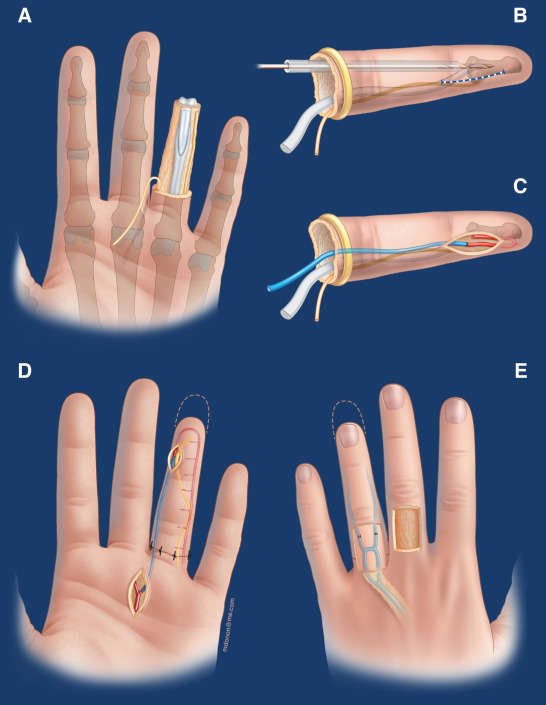
Replantation Surgery is an advanced microsurgical procedure performed to reattach a completely or partially amputated body part following a traumatic injury. The procedure involves carefully reconnecting bones, tendons, nerves, arteries, and veins to restore blood circulation and, where possible, preserve the function of the injured part.
Replantation Procedures
- Finger Replantation – Microsurgical reattachment of completely or partially amputated fingers in suitable cases.
- Thumb Replantation – Reconstruction of an amputated thumb with particular focus on preserving essential hand function.
- Hand Replantation – Microsurgical reattachment following traumatic amputation of the hand.
- Wrist & Forearm Replantation – Reconstruction of selected amputations involving the wrist or forearm.
- Partial Amputation Reconstruction – Treatment of injuries where part of the tissue remains attached but blood supply is severely compromised.
- Revascularisation – Restoration of blood flow to a severely injured but incompletely amputated finger, hand, or limb.
- Bone Fixation – Stabilisation of the amputated segment to restore structural continuity.
- Tendon Repair – Reconnection or repair of damaged tendons to support future movement.
- Nerve Repair – Microsurgical repair of injured nerves to support recovery of sensation and function.
- Blood Vessel Repair – Precise connection of arteries and veins to restore circulation.
- Soft Tissue Reconstruction – Restoration of damaged skin and soft tissues when required for successful replantation.
Common Causes
- Road traffic accidents
- Industrial and workplace accidents
- Machinery-related injuries
- Crush injuries
- Sharp-object injuries
- Traumatic amputations
- Severe hand injuries
- Agricultural machinery accidents
When Is Replantation Considered?
Replantation is not suitable for every amputation. The decision depends on several factors, including:
- Level and type of amputation
- Condition of the amputated part
- Degree of crush or tissue damage
- Time since the injury
- Condition of the blood vessels
- Level of contamination
- Patient’s overall health
- Functional importance of the amputated part
Replantation is an emergency procedure, and early specialist assessment is essential when an amputation occurs.
