
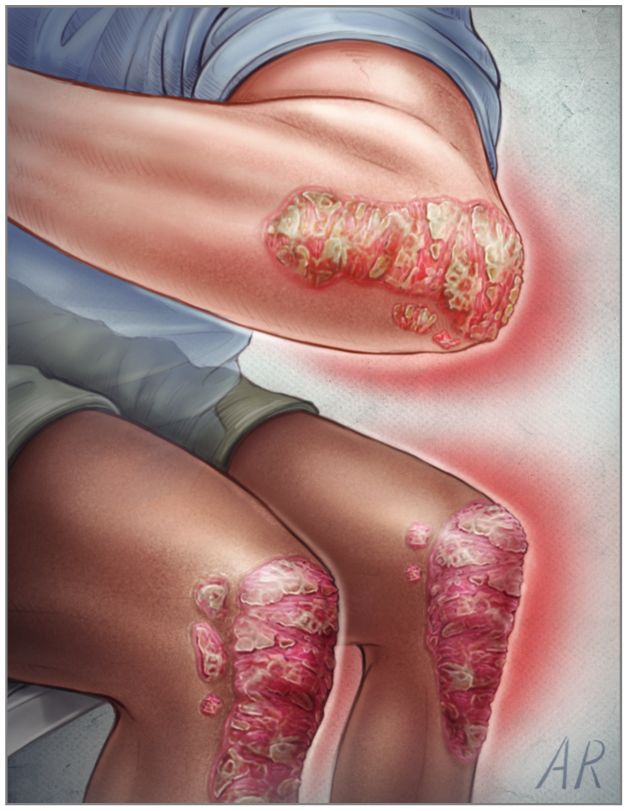
Acute Burn Management
Specialised Emergency Care for Acute Burn Injuries
Acute Burn Management is the immediate and specialised treatment of burn injuries caused by heat, chemicals, electricity, friction, or other sources. Early assessment and appropriate treatment help control pain, prevent infection, protect damaged tissues, maintain fluid balance, and support healing while reducing the risk of complications and scarring.
Acute Burn Treatment Procedures
- Burn Assessment & Classification – Evaluation of burn depth, size, location, and severity to determine the appropriate treatment plan.
- Emergency Burn Stabilisation – Initial management of airway, breathing, circulation, and other life-threatening concerns.
- Fluid Resuscitation – Replacement of fluids and electrolytes when required for significant burns.
- Wound Cleaning & Dressing – Careful cleaning and application of appropriate dressings to protect the injured area.
- Blister & Devitalised Tissue Management – Assessment and management of damaged or non-viable tissue when clinically indicated.
- Pain Management – Appropriate measures to control pain and improve patient comfort during treatment.
- Burn Debridement – Removal of dead or severely damaged tissue to support wound healing when required.
- Infection Prevention & Management – Monitoring and treatment of suspected wound infections and other complications.
- Escharotomy – Release of constricting burn tissue in selected deep burns when circulation or breathing may be compromised.
- Skin Grafting – Coverage of deeper burns that are unlikely to heal adequately with conservative treatment.
- Burn Reconstruction – Reconstructive procedures for significant tissue loss or functional problems following severe burns.
Common Causes
- Fire and flame burns
- Hot water and liquid scalds
- Steam burns
- Hot oil and chemical burns
- Electrical burns
- Contact burns from hot objects
- Friction burns
- Industrial and workplace accidents
- Household accidents
When Is Acute Burn Management Considered?
Immediate medical evaluation is important for moderate to severe burns, burns involving critical areas, or burns associated with other injuries. Treatment decisions depend on:
- Depth and extent of the burn
- Size of the affected area
- Location of the burn
- Presence of inhalation injury
- Electrical or chemical involvement
- Associated trauma
- Signs of infection or tissue damage
- Patient’s age and overall condition
Severe burns and suspected inhalation injuries require urgent emergency medical assessment.
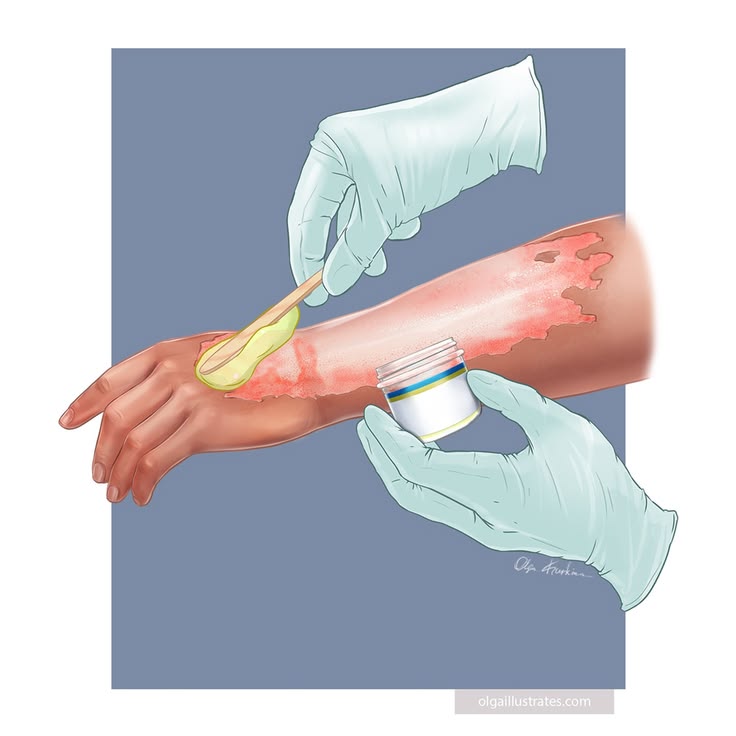
Burn Wound Care
Specialised Care for Healing and Protecting Burn-Injured Skin
Burn Wound Care focuses on the assessment, cleaning, dressing, and ongoing management of burn injuries to support healing, reduce infection risk, protect viable tissue, and minimise complications such as delayed healing and excessive scarring.
Burn Wound Care Procedures
- Burn Wound Assessment – Evaluation of burn depth, size, location, and healing progress.
- Wound Cleaning – Gentle cleansing of the burn wound to remove contaminants and maintain a healthy wound environment.
- Dressing Selection & Application – Use of appropriate dressings to protect the wound and support healing.
- Blister Management – Assessment and appropriate management of burn blisters based on the depth and location of the injury.
- Wound Debridement – Removal of dead or non-viable tissue when required to promote healing.
- Infection Management – Monitoring for infection and providing appropriate treatment when clinically indicated.
- Pain Management – Measures to control pain during wound care and dressing changes.
- Moist Wound Management – Maintaining an appropriate wound environment to support tissue healing.
- Skin Grafting – Coverage of deeper burns that are unlikely to heal adequately with wound care alone.
- Scar Prevention & Management – Early measures and follow-up care to reduce the severity of burn-related scars.
- Follow-Up Wound Care – Regular assessment of healing, tissue quality, and functional recovery.
Common Burn Wounds
- Thermal burns
- Scald burns
- Chemical burns
- Electrical burns
- Contact burns
- Friction burns
- Superficial and partial-thickness burns
- Deep burns requiring specialised wound care
- Post-operative burn wounds
When Is Burn Wound Care Considered?
Burn wound care is considered for newly sustained burns as well as wounds requiring ongoing treatment during the healing process. The treatment approach depends on:
- Depth and extent of the burn
- Location of the wound
- Amount of tissue damage
- Presence of infection
- Rate of wound healing
- Associated injuries
- Patient’s age and overall health
Early assessment and appropriate wound care can help support healing and reduce the risk of infection, delayed healing, and problematic scarring.
Post-Burn Scar Revision
Advanced Reconstruction for Improving Burn-Related Scars and Restoring Function
Post-Burn Scar Revision is a reconstructive treatment designed to improve the appearance, flexibility, and function of scars that develop after burn injuries. Depending on the severity and location of the scar, treatment may involve surgical scar revision, contracture release, skin grafting, or flap reconstruction.
Post-Burn Scar Revision Procedures
- Scar Excision & Revision – Removal and surgical reshaping of selected problematic scars.
- Contracture Release – Release of tight scar tissue that restricts movement or function.
- Z-Plasty – Rearrangement of scar tissue to lengthen contracted scars and improve flexibility.
- Skin Grafting – Coverage of areas where scar release creates a skin defect requiring additional tissue.
- Local Flap Reconstruction – Use of nearby healthy tissue to replace or cover scarred areas.
- Tissue Expansion – Gradual expansion of healthy skin to provide suitable tissue for reconstruction in selected cases.
- Facial Burn Scar Revision – Reconstruction of burn scars affecting the face and facial function.
- Neck Burn Scar Revision – Treatment of restrictive neck scars to improve movement and positioning.
- Hand & Finger Scar Revision – Release and reconstruction of scars affecting hand or finger movement.
- Post-Burn Functional Reconstruction – Reconstructive procedures aimed at improving movement and restoring affected function.
Common Post-Burn Scar Problems
- Raised or thick scars
- Contracted scars
- Tight or restrictive scars
- Scars affecting joints
- Facial burn scars
- Neck contractures
- Hand and finger contractures
- Pigment and texture changes
- Scars causing functional limitation
When Is Post-Burn Scar Revision Considered?
Scar revision may be considered when burn scars cause significant functional restriction, discomfort, tightness, or unacceptable changes in appearance. Treatment depends on:
- Location and size of the scar
- Severity and maturity of the scar
- Degree of contracture
- Functional limitation
- Skin quality around the scar
- Previous burn treatments or surgeries
- Individual healing characteristics
Post-burn scar management is often planned according to the patient’s functional needs, scar characteristics, and stage of healing.